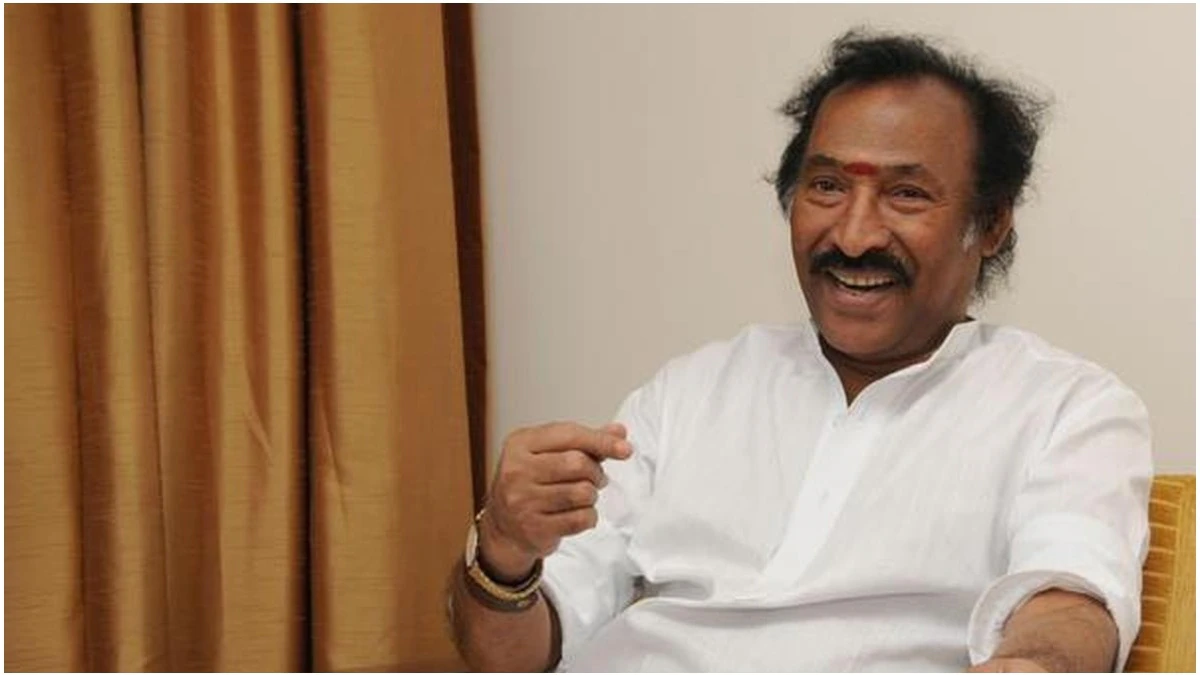
A death reported across Tamil Nadu media
The death was reported by The Hindu, The Times of India, India Today and The New Indian Express. Their reports identify Chennai as the location and give Deva’s age as 75. The core account is therefore supported across four publications, although the supplied material does not include a direct official announcement from Deva’s family, hospital or another institution. That limitation does not alter the fact that the four reports agree on the central development, but it is relevant to how the surrounding details are described.
The Hindu reported that Deva died at a private hospital in Chennai, citing sources. The account was presented as a report from sources connected with the hospital rather than as an independently verified medical statement. The Times of India reported that Deva complained of chest pain before he was taken to hospital and that efforts to resuscitate him were unsuccessful; The Hindu also described hospital sources as saying that he had no pulse when he arrived and that attempts to revive him failed. The supplied reporting does not establish a medical cause of death.
A career spanning several languages
Deva’s recorded film career covered more than 400 films in multiple Indian languages. The Times of India described work in Tamil, Telugu and Malayalam, while The Hindu’s account referred to scores across Tamil, Telugu, Malayalam and Kannada. That range places his work within a film industry that crosses linguistic markets, even though the available material does not provide a complete filmography or a precise breakdown of his credits by language. The scale of the career is clear in the reports: Deva was not associated with only a small group of Tamil productions, but with a body of work extending across several regional cinemas.
The sources differ on one point in the chronology of his entry into film composition. The Hindu identified Mattukkara Mannaru in 1986 as his debut as a film music composer, while The Times of India said he made his debut with Manasukketha Maharaasaa in 1989. The supplied material does not resolve whether the difference reflects two definitions of a debut or a disagreement over the first credited work. Both reports, however, describe Vaikasi Poranthachu, released in 1990, as an important point in his rise, with The Hindu linking it to wider recognition and a Tamil Nadu State Film Award for Best Music Director.
The Hindu’s account traces Deva’s early route into music from work in the Tamil Nadu government’s Public Works Department before he entered the film industry. The Times of India described a background that included television and stage work, along with musical training and programme-related composition. These details show a career that developed through more than one performance and production setting, but the supplied sources do not provide a single agreed chronology for every stage of that transition. The reports instead converge on his emergence as a sought-after composer during the period after his early film work.
Music for Rajinikanth’s films
Deva’s connection with Rajinikanth is one of the clearest features of the accounts published after his death. The Hindu named Annamalai, Arunachalam and Baashha among the Rajinikanth films for which Deva created songs and background scores. The Times of India also highlighted Annamalai and Baashha, and described Deva’s role in shaping the introductory songs associated with the actor. The evidence supports a sustained creative association between the composer and Rajinikanth’s films, without requiring broader claims about the actor’s standing or about the relative importance of those releases.
The Times of India specifically connected Deva’s music with the presentation of Rajinikanth on screen, while The Hindu pointed to the popularity of songs and background scores from the films it named. That association illustrates a particular function of his work: creating music that could establish a film’s tone and reinforce the arrival of its central performer. The supplied reports do not quantify the number of Rajinikanth films Deva worked on, nor do they provide a complete list. They do establish that the relationship involved numerous productions and included songs intended to introduce or define the actor’s screen presence.
The reach of Gaana
The other defining strand in the reporting is Deva’s role in bringing Gaana music into mainstream cinema. The Hindu described him as a composer who brought the form into popular film music, while The Times of India called him a major force in its popularisation during the 1990s. The accounts also describe him as writing and singing some of his own Gaana numbers. Together, these details present his contribution not simply as the use of a local musical form, but as its movement into a broader commercial cinema audience. The supplied material does not claim that Deva alone created Gaana or that every later use of the style came from his work; it identifies his influence in making the form more prominent in films.
Deva’s influence was tied to a musical approach that the Times of India described through simple, catchy tunes, familiar rhythms and colloquial expressions. Those characteristics were presented as part of the way his songs connected with ordinary listeners and helped him establish a distinct identity during a period when other prominent composers were also shaping Tamil film music. The article’s description is an account of his musical profile, not a basis for ranking him against other composers. What can be stated from the supplied sources is that his work gave Gaana a prominent place in mainstream cinema and that his music remained associated with the popular culture of the 1990s.
What the reports establish
Taken together, the reports establish a composer whose work extended across more than 400 films, several Indian languages, a substantial association with Rajinikanth’s cinema and the mainstreaming of Gaana. They also record a death in Chennai on October 17 at the age of 75. The hospital circumstances remain attributed to reports from The Hindu and The Times of India, and the supplied material does not establish a medical cause. Funeral details are not specified in the locked summary. Nor does the supplied material independently confirm an official death announcement. Those limits leave the central account clear while distinguishing confirmed career facts from details that remain source-attributed or unresolved.