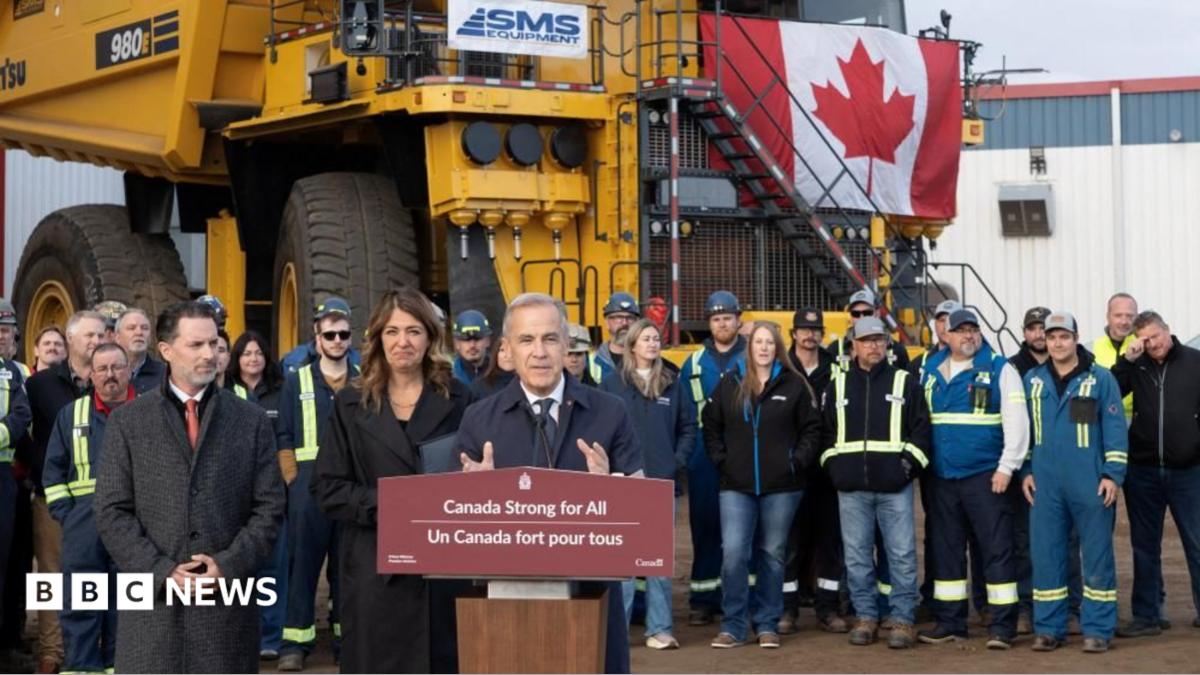
The project is part of Ottawa’s strategy to diversify the economy and oil exports, reducing dependence on the U.S. market. The decision is also presented as a response to the economic effects of tariffs imposed by U.S. President Donald Trump.
The expedited process still concerns a project in the proposal stage. Al Jazeera reports that the national-interest designation linked to Pacific Link is intended to make a single federal-level regulatory review possible.
A potential connection to the Pacific coast would aim to support crude oil exports to Asian markets, according to Clarín. In this way, the project could expand the destinations for Canadian energy beyond the traditional U.S. market.
The BBC describes Pacific Link as an important test of Carney’s promise to global investors. The Canadian government is thus presenting the initiative as part of a broader effort to find new economic outlets, while trade tensions with Washington remain in the background.
Several issues nevertheless remain to be addressed. Clarín points to possible difficulties involving financing, environmental impact and support from Indigenous communities, factors that could affect the project’s progress.
The sources reviewed do not indicate the project’s final cost, definitive route, construction schedule or financing agreements. Nor is there any indication that construction has begun or that final approval has already been granted.
Pacific Link therefore remains a proposal subject to an expedited process, not an infrastructure project already in operation. Its role in diversifying beyond the United States is confirmed, but the project must still contend with financial, environmental and Indigenous-support issues reported by Clarín.