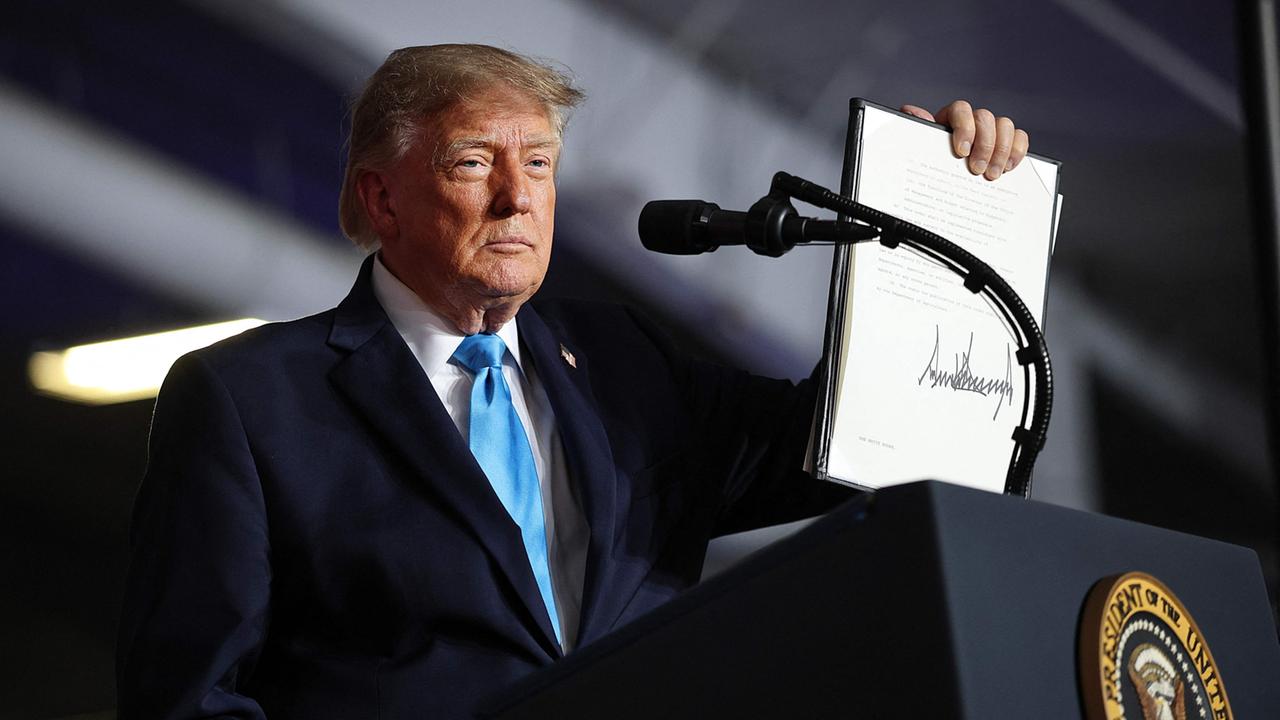
The measure concerns so-called red-dyed diesel, a fuel marked by a red coloration and associated with preferential tax treatment. Euronews describes it as a deferral of tax payments on diesel used on public roads, without specifying in the available material the order’s full legal content.
The stated aim of the measure is to reduce fuel-price pressure on certain activities. According to the sources’ account, the measure is aimed in particular at farmers and truck drivers, with possible effects on transport and operating costs for the users concerned.
Tagesschau provided a broader description of the intervention: according to the German broadcaster, US motorists would be allowed to use untaxed red diesel that had previously been reserved for agriculture. This interpretation does not fully coincide with Euronews’ account, which instead refers to a deferral of tax payments for fuel used on public roads.
The difference between the two reports leaves open the question of the measure’s concrete scope: based on the descriptions provided, it is unclear whether the action broadly expands access to dyed diesel, merely defers certain tax obligations, or combines both elements.
The decision comes amid a sharp rise in fuel prices in the United States. Tagesschau and Euronews link the price increase to the war with Iran; TIME reported that diesel had reached a national average of $6.32 per gallon.
The issue also has political implications. Euronews reported that high fuel prices were weighing on the Republican Party just weeks before the US midterm elections, placing Trump’s initiative within a period of particular electoral sensitivity over energy costs.
However, the available materials do not define the eligibility requirements, duration of the measure, implementation procedures or other legal constraints. The sources agree that the intervention is intended to contain costs, but they do not make it possible to establish precisely which group of users will be covered or what the order’s final scope will be.