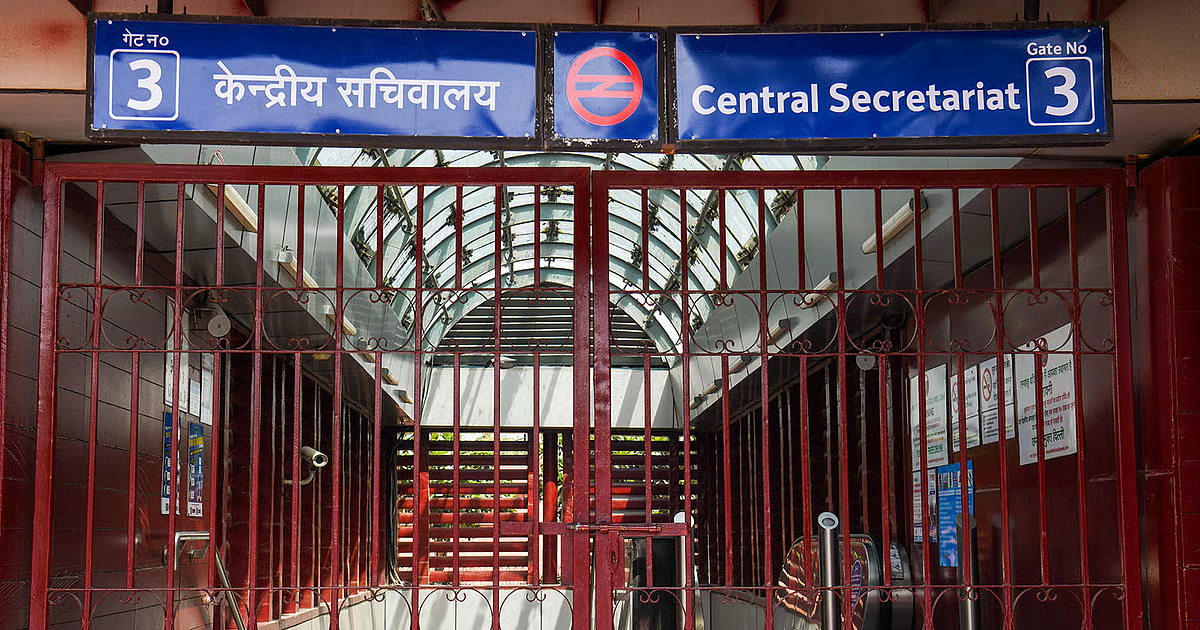
The stations affected are Patel Chowk, Janpath, Rajiv Chowk, Mandi House, Central Secretariat and Barakhamba Road. The measure concerns access points and exits and, according to the Times of India, citing the Delhi Metro Rail Corporation, interchange connections were to remain available.
The planned closure is linked to an opposition march toward the Supreme Court. Sources describe it as planned or imminent and do not confirm either whether it actually took place or its size.
The protest concerns the disputed revision of electoral rolls, an issue at the center of mobilizations reported in Delhi. The procession was therefore expected to take place as part of the opposition to that revision.
The Times of India reported that the Delhi Metro Rail Corporation linked the closure to security requirements. The available material does not specify which particular security authority ordered the measure beyond the announcement attributed to the DMRC.
The measures linked to the protest could have caused traffic slowdowns or diversions in the capital: sources refer to possible disruptions and warnings, not to effects that had already been verified.
According to the Guardian, opposition parties and supporters of the so-called “cockroach” youth movement were protesting against the revision of electoral rolls. This contextual information is reported by the British newspaper and is not confirmed by other sources in the available material.
Also according to the Guardian, critics argue that the revision benefits Prime Minister Narendra Modi's Bharatiya Janata Party, while demonstrators are calling for the resignation of Chief Election Commissioner Gyanesh Kumar. These are positions and demands attributed to critics and demonstrators, not facts independently established in the material examined.