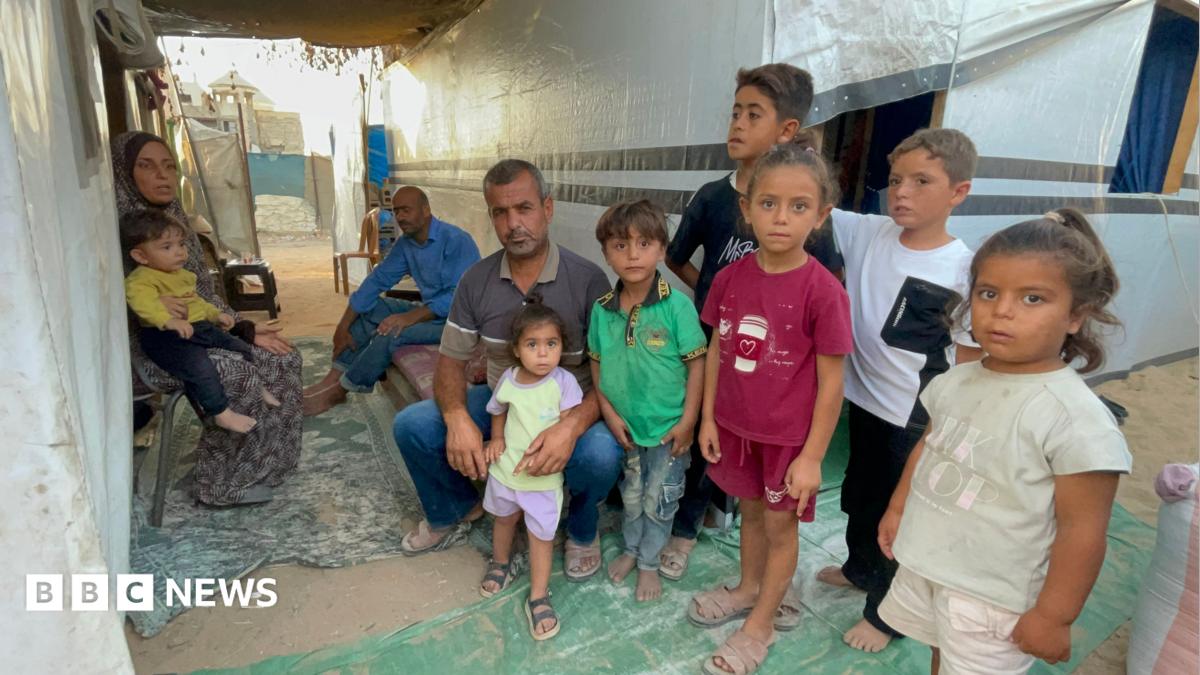
The reduction brings the number of people receiving monthly WFP assistance in Gaza down from approximately 1.6 million to 1.1 million, a cut of about one-third. The assistance includes food and cash support, according to the supplied reporting, but the material does not establish whether every person affected will lose all forms of WFP assistance or whether some will lose particular components while remaining on a reduced caseload.
Shaun Hughes, identified in the supplied reports as a WFP country or Palestine director, said the agency was cutting approximately 500,000 people from the number it assists. The Hindu reported Hughes as saying that the change was taking effect that month. The reduction was reported on October 19, 2026.
The scale-back affects several forms of support. WFP said hot meals provided through community kitchens would fall from 250,000 a day to 150,000 a day. In some hard-to-reach areas, meals would be provided every other day rather than daily.
The supplied Times of India report also said that the number of people receiving flour bags and food ration boxes would be reduced from 1.1 million to 600,000 per month. Because those figures appear in one supplied report, they are presented here as an attributed detail rather than as an independently confirmed measure across the source set.
The reductions are not limited to the size of the WFP caseload. Euronews and Al Jazeera reported that people who continue receiving assistance may get smaller food rations and less cash support. Al Jazeera specifically reported that food parcels would be reduced from two per family to one and that flour bags would be smaller.
The immediate cause identified across the reporting is a funding shortfall, rather than a reduction in humanitarian need. Al Jazeera and the Times of India reported that WFP said it had received less than half as much funding for its Palestine operation in 2026 as in previous years and urgently needed an additional $450 million to maintain critical operations over the following six months.
The funding pressure comes as food insecurity remains widespread. Approximately two-thirds of Gaza’s population—estimated in the supplied reporting at about 1.4 million people, or 67 percent—is facing acute food insecurity at crisis levels or worse. That figure places the WFP reduction against a continuing need for food assistance across much of the territory.
The available reports describe a broad reduction in support but do not establish its exact duration. They also use somewhat different language about the people affected: some describe assistance ending for about 500,000 people, while others describe a combination of caseload reductions, smaller food parcels, fewer hot meals and reduced cash support. The locked evidence therefore supports the scale of the reduction without establishing that every affected person will lose every WFP service.