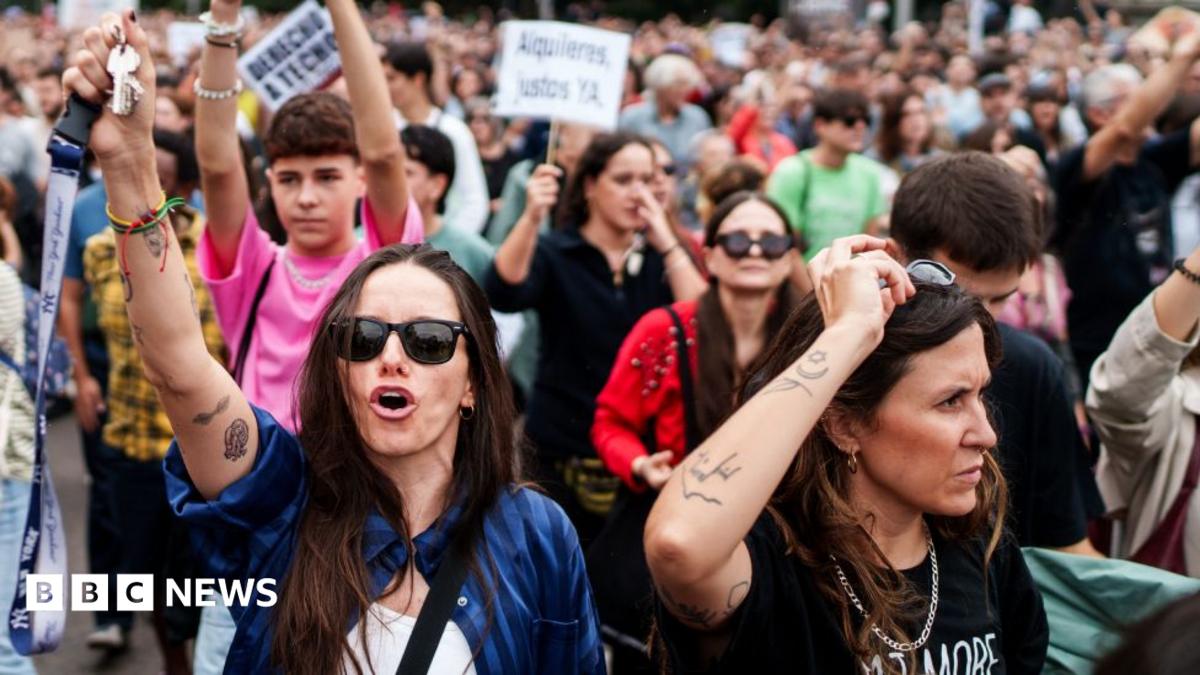
The mobilizations were centered primarily in the capital, but similar initiatives were announced or held in around 50 or more cities across the country. Sources distinguish, however, between planned demonstrations and rallies that actually took place, without establishing a definitive count of completed events.
At the center of the demands are affordable housing and stronger protection for people who rent. The protests thus brought the issues of access to housing and tenant protection back onto the streets, following the parliamentary vote on the government measures.
Several reports described the rejected measures as two government decrees on housing or affordable housing. The available information does not, however, specify the titles, the full content of the measures, or the margin by which they were rejected.
The turnout remains difficult to quantify. France 24 and The Guardian referred to tens of thousands of people; the Times of India reported an estimate of around 70,000 participants in 50 cities, while Deutsche Welle and Euronews reported an estimate of 500,000 people in Madrid attributed to the organizers. These are divergent figures and not an independently verified tally.
Among the elements associated with the mobilization was the eviction of an 87-year-old woman living in Madrid, cited as a catalyst or symbol of housing difficulties. Sky News identified the woman as Maricarmen Abascal, a name reported by only one of the available sources.
The measures had been presented by Prime Minister Pedro Sánchez's government, according to sources reconstructing the parliamentary process. The protest was therefore also directed at the institutions' choices, although the reports provided do not make it possible to detail the vote or the positions of each parliamentary group here.
Calls for a general strike also appeared during the rallies. Sources refer to signs and demands to that effect, but do not document the formal announcement or the occurrence of a strike.