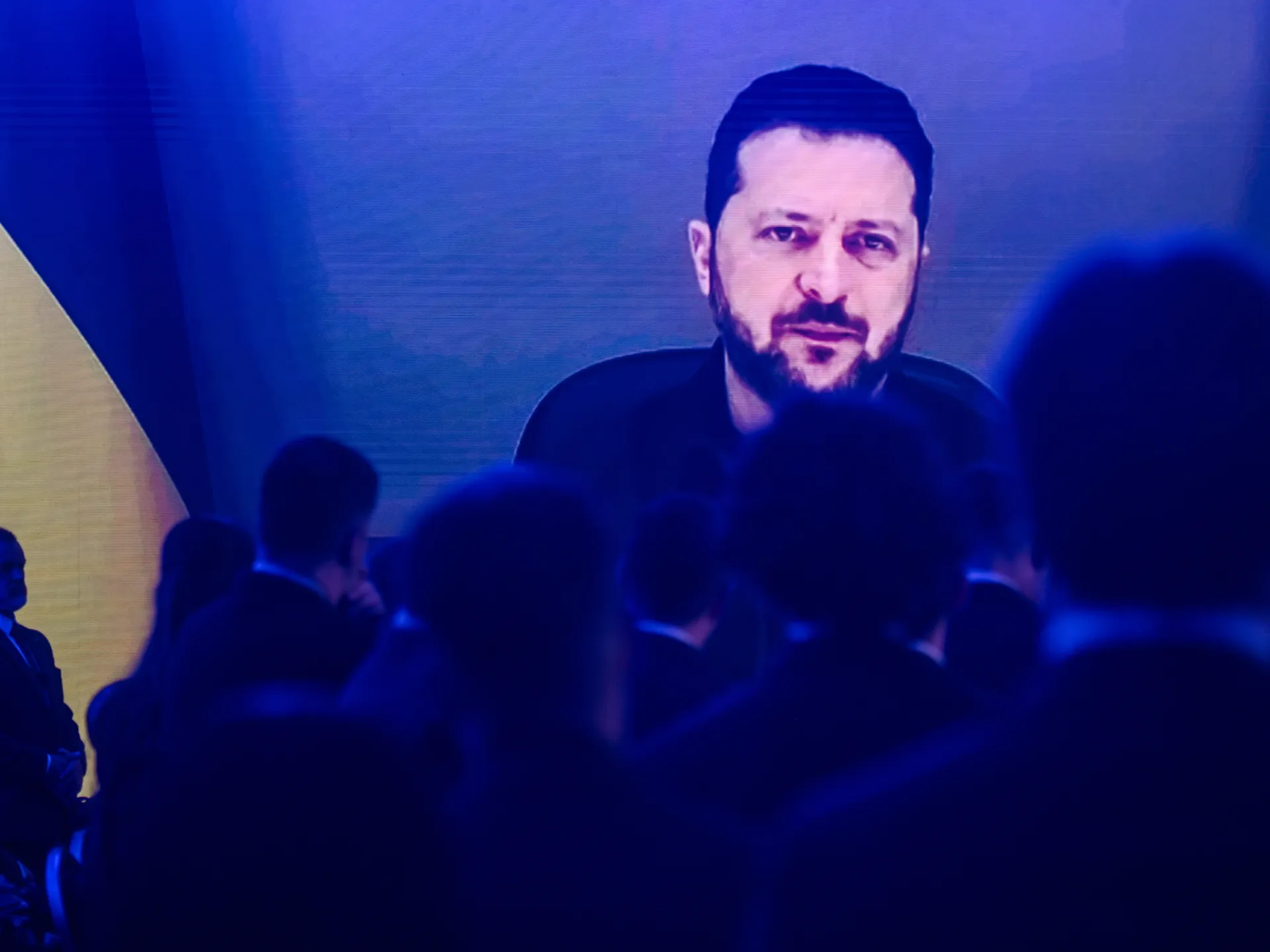
The sequence reported by the sources puts the new agreement announced by the US president to the test. Deutsche Welle reports that Ukraine reported Russian attacks in the northeastern city of Kharkiv less than 24 hours after the announcement of the energy ceasefire.
Zelenskyy said that Russia had violated the energy ceasefire. The accusation is reported consistently by Al Jazeera, Deutsche Welle and The Hindu, but the available material distinguishes between the Ukrainian president’s position and the independent verification of the facts.
According to The Hindu, Zelenskyy also asked the United States to ensure that Russia complies with the agreement. The request assigns Washington a role as a political guarantor in the implementation of the ceasefire, without providing further details on how such involvement would work.
The Hindu also reports that the Ukrainian president said he learned about the agreement through the media. The detail points to a gap between the public announcement of the agreement and the information received directly by the Ukrainian leadership, but the sources do not clarify how the agreement was negotiated.
The exact terms, scope and duration of the energy ceasefire therefore remain unspecified. For this reason, based on the reports provided, it is not possible to independently establish whether the reported attacks constitute a violation of the agreement.
On the Russian side, Deutsche Welle reports that the Kremlin would have considered only a one-day ceasefire on the occasion of an election. This position, as reported by the source, appears more limited than the energy agreement announced by Trump; however, the materials provided contain no official Russian confirmation or denial regarding the attacks and the alleged violation.
Al Jazeera finally reports that the European Union has officially added nearly 1,600 new sanctions against Russia’s military-industrial complex. The available sources do not specify the connection between this announcement and the dispute over the ceasefire.