A declared return to refinery strikes
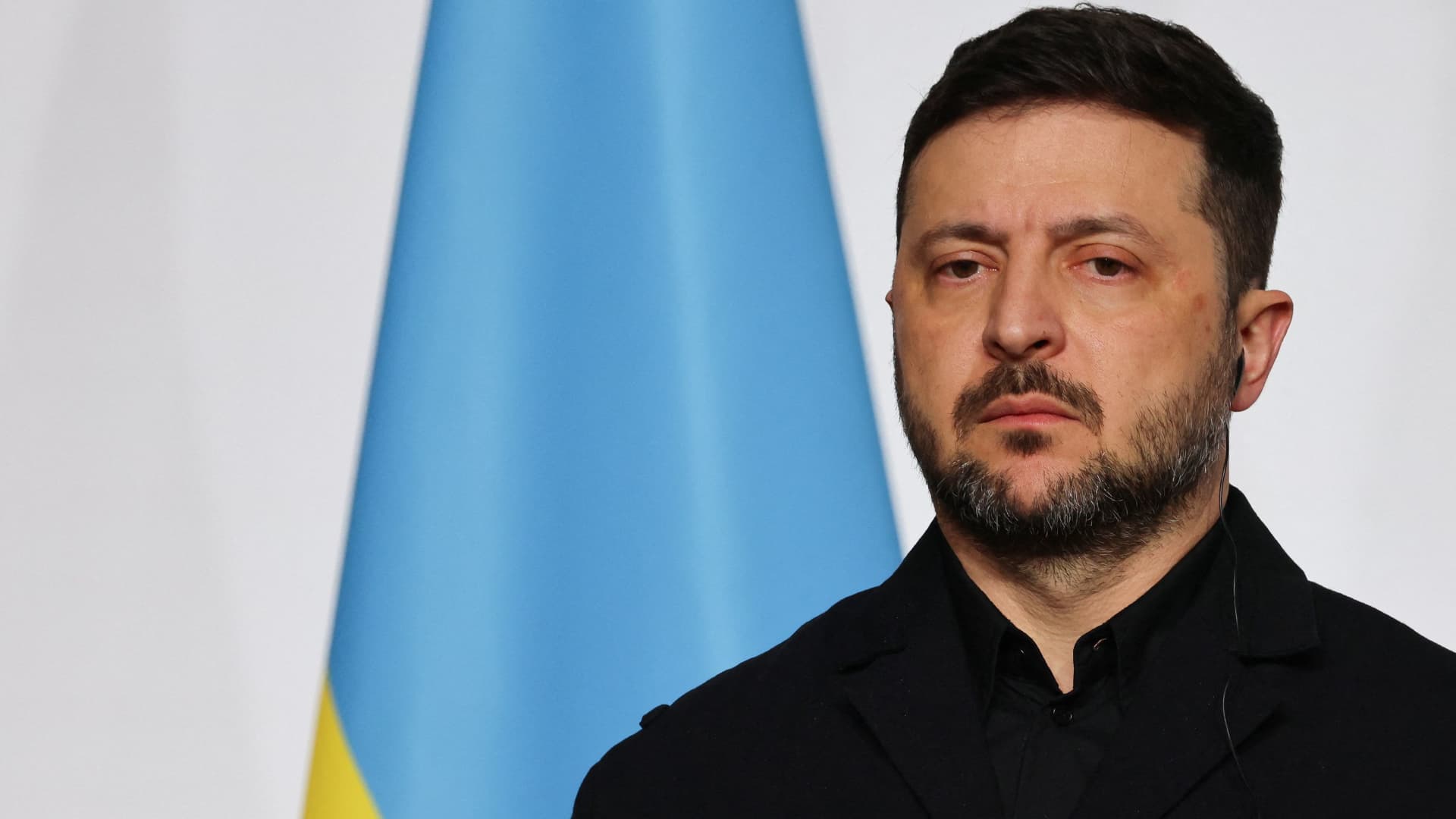
Zelenskyy made the announcement in an interview with the Financial Times, saying that Ukrainian attacks on Russian oil refineries would resume. Financial Times reporting was subsequently summarized or independently carried by Bloomberg Markets, CNBC, BBC News, Al Jazeera and Deutsche Welle. The core development is therefore the Ukrainian president’s stated decision, rather than a claim that every reported strike has been independently verified. His statement placed energy infrastructure back at the center of the conflict after a pause that had lasted only briefly, according to the supplied reports.
The announcement was linked to a proposal associated with U.S. President Donald Trump. The supplied sources describe Trump as having announced an energy pause over the weekend, with different reports referring to it as a proposed deal, a unilateral announcement or a brief truce. They agree on a central limitation: Russia and Ukraine did not formally confirm a durable bilateral ceasefire. That distinction matters because the political language surrounding the pause was stronger than the documented evidence of a mutually accepted arrangement.
The Ryazan report
The announcement was followed by reports of activity in Russia’s Ryazan region. NPR reported that Ukrainian drones attacked a refinery there, while Al Jazeera and The Guardian attributed the claim that the facility had been targeted to Russian authorities. The South China Morning Post cited the regional governor in reporting a strike at an oil-refining installation. Taken together, those accounts support reporting that a refinery or related installation in the region was targeted on October 15, but they do not establish responsibility with complete independent verification.
Al Jazeera, citing a statement from Russia’s Defense Ministry, reported that Moscow described the incident as a large-scale attack and said a fire began after drone debris fell at the refinery site. Those details remain part of the account attributed to Russian officials. The supplied material does not provide a verified assessment of damage, identify the operational effect on the facility or establish whether anyone was killed or injured. Those limits are especially important in a conflict in which accounts of strikes often emerge first from the parties involved.
Why the pause broke down
The reporting presents the end of the pause as a response to continuing attacks on Ukrainian energy infrastructure. The Guardian described the U.S.-led effort as having collapsed after Russian drone attacks on infrastructure in central Ukraine. Al Jazeera reported that Moscow continued striking Ukrainian energy infrastructure, while CNBC described the proposed arrangement as one Russia had not upheld. BBC News likewise reported that Zelenskyy considered the pause over after fresh Russian attacks. These accounts differ in wording and in how they assign responsibility, but they describe no continuing halt in energy-related attacks.
The chronology described by the sources is therefore narrower than the phrase “energy ceasefire” might suggest. Trump announced the pause; Ukraine was reported to have suspended attacks on Russian energy sites for several days; Russian attacks on Ukrainian energy infrastructure were then reported to continue; and Zelenskyy said Kyiv would resume refinery strikes. The sources do not establish the precise duration, written terms or enforcement mechanism of the proposed pause. Nor do they show that Moscow and Kyiv reached a formally documented bilateral agreement before the renewed reports of attacks.
Pressure from Washington
The episode also exposed tension between Kyiv and Washington over the conduct of the war. The United States had pressed Ukraine to halt attacks on Russian refineries, according to the supplied reporting. CNBC said the proposed arrangement was presented as a way to suspend attacks on energy targets, while Al Jazeera reported that Washington linked the pause to an effort that included a proposed purchase of Russian diesel. Zelenskyy told the Financial Times that continuing such a policy was politically difficult while Ukrainians were fighting and dying. The sources support his criticism of the proposal, but do not establish its commercial or economic outcome.
Zelenskyy also criticized what he described as a reduction or withdrawal of U.S. intelligence sharing and restrictions affecting SpaceX satellite communications, including Starlink or the military-grade Starshield system. Those claims are attributed to Zelenskyy in the Financial Times, BBC News and Al Jazeera reports; they are not established as confirmed changes in U.S. support or deliberate service weakening. The supplied Al Jazeera material also reported that Trump denied intelligence-sharing had stopped and that Elon Musk gave a different account of who could limit Starshield use and speed. The dispute is consequently part of the political context, not a verified explanation for the refinery incident.
What remains unresolved
The available reporting establishes a clear political announcement and a closely timed report of an incident in Ryazan, but it leaves several operational questions open. It does not independently verify that Ukrainian forces carried out the reported attack, does not quantify damage to the refinery and does not report verified casualties. It also does not settle whether the pause should be understood as a unilateral declaration, a proposed arrangement or a short-lived truce. Those distinctions are not merely semantic: they determine whether the renewed strikes represent the collapse of an agreement or the end of an unfulfilled political proposal.
The sources also leave the next diplomatic steps open. Zelenskyy was reported to remain willing to pause strikes on Russian energy sites again under conditions involving additional U.S. military support, including Patriot interceptors. Al Jazeera reported that he was due to meet European leaders in Brussels while seeking stronger sanctions against Moscow and faster European support. Those reported positions show that the question of energy strikes remained connected to wider negotiations over military assistance and pressure on Russia, but the supplied material does not establish that a new pause had been agreed or that talks had produced a replacement framework.
For now, the immediate significance is the apparent return of refinery targets to Ukraine’s declared campaign after an unstable, U.S.-backed attempt to limit attacks on energy infrastructure. Zelenskyy’s statement is confirmed across multiple reports, while the Ryazan incident is reported with differing attribution and without verified damage or casualty figures. The broader record points to a breakdown in a proposed pause rather than the failure of a formally confirmed bilateral ceasefire. Whether the reported strike marks a sustained escalation, or only the resumption of attacks during another phase of diplomatic pressure, remains unsettled by the available accounts.