A request directed at Europe
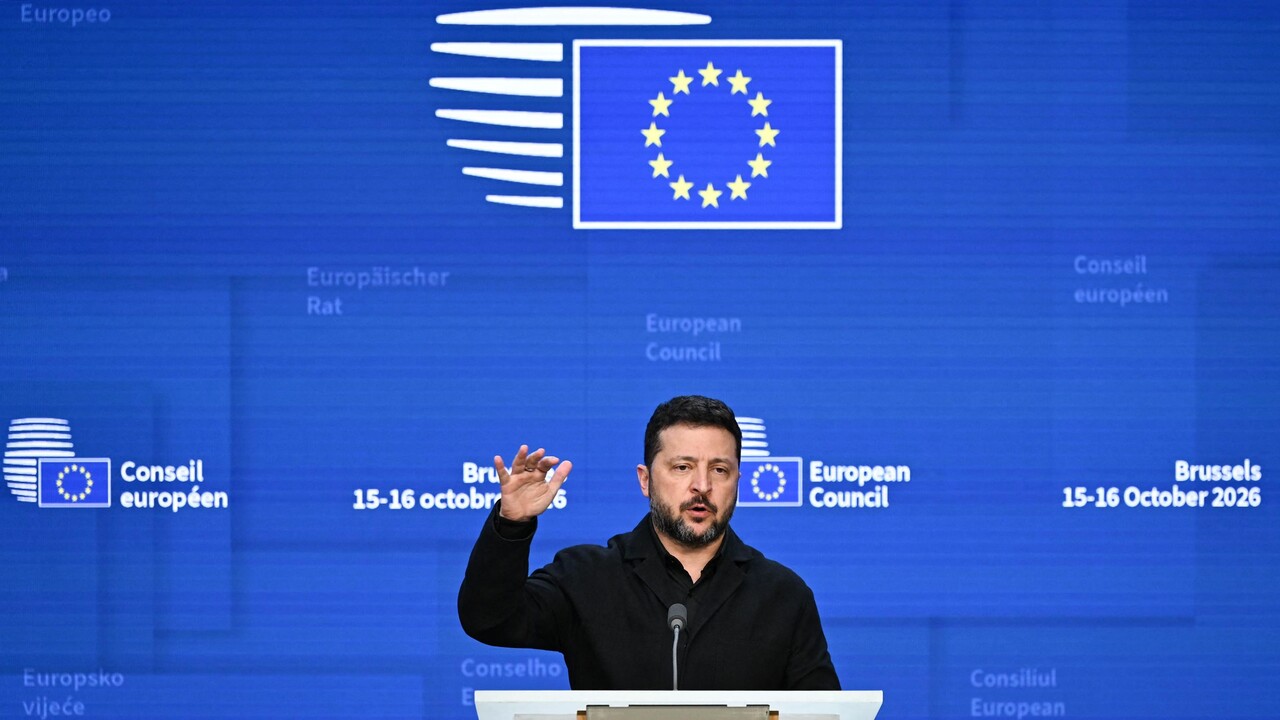
Zelensky presented the appeal directly to EU leaders as Ukraine seeks to plan its financial needs for 2027. The request was for at least €70 billion in additional funding, a figure that would be directed toward sustaining the country’s war effort. The meeting in Brussels placed the demand inside the EU’s political process, but the reports describe a request rather than a completed funding decision. That distinction is central to the development: Zelensky asked European governments to provide more support, while the available reporting does not state that the bloc formally approved the additional amount.
Zelensky linked the requested sum to a much larger estimate for the year ahead. He said the war would cost €155 billion in 2027, making the €70 billion appeal a substantial part of the amount he described as necessary. The figure is presented in the reports as Zelensky’s estimate, not as an independently verified calculation. The supplied reporting does not provide a detailed breakdown showing how the €155 billion would be divided between military operations, equipment, resilience or other needs. It therefore establishes the scale of the claim and the request, but not an independently tested budget for the year.
What the money is intended to cover
South China Morning Post reported that Zelensky described the requested €70 billion as funding for defence, weapons and Ukraine’s resilience. In that account, he characterized the amount as realistic and asked European leaders to find the support. Those purposes indicate that the appeal was framed as a combined military and national-sustainability requirement rather than as a request limited to one category of spending. The description remains Zelensky’s characterization of the need, as reproduced by the newspaper; the available material does not supply a separate EU assessment of the proposed allocation.
South China Morning Post reported the €70 billion request as approximately US$79 billion. The euro figure is the amount repeated across the reporting from the Brussels summit, while the dollar equivalent provides the conversion used by that publication. Because exchange rates can change, the euro request is the more direct measure of what Zelensky asked from the EU. The reports do not present the dollar figure as a separate financing commitment or as money already available to Ukraine; it is the newspaper’s stated conversion of the requested amount.
A larger figure than existing support
Handelsblatt reported that the EU had already approved €90 billion for Ukraine covering 2026 and 2027, but that the funds were insufficient. That account places Zelensky’s appeal within an existing multiyear support framework rather than describing it as Europe’s first financial commitment to Kyiv. It also helps explain why the Ukrainian president focused on additional money for 2027: the figure cited by Handelsblatt is presented as already authorized support, while the new request seeks resources beyond it. The €90 billion detail comes from Handelsblatt alone in the supplied reporting and is therefore attributed to that publication.
The relationship between the two figures should not be treated as a finalized EU budget calculation. Handelsblatt reported the earlier approval and the insufficiency of those funds, while Zelensky supplied the €155 billion estimate and asked for at least €70 billion more. The sources do not explain whether the requested amount would fill the entire difference between anticipated needs and existing support, nor do they describe a proposed schedule for releasing it. What is clear is that Ukraine’s president portrayed existing financing as inadequate for the demands he expects in 2027.
Political backing alongside the financial appeal
The funding request came amid broader European expressions of support for Zelensky. Clarín reported that EU leaders guaranteed their support for the Ukrainian president and that European officials opposed withdrawing support or lifting sanctions while the war continued. That reporting describes a political position, not a decision to provide the additional €70 billion. It shows that the Brussels discussions included both the question of continued political backing and the more specific financial demand, but the two should not be conflated: support for Ukraine in general does not by itself establish approval of the requested sum.
The reports also portray Zelensky’s appeal as part of his effort to keep European governments engaged with Ukraine’s wartime requirements. His request identified defence, weapons and resilience as the areas requiring support, according to South China Morning Post, while the account from Clarín described European leaders as maintaining their backing. Together, those details show the political setting in which the request was made: Ukraine was seeking both resources and continued European commitment. They do not, however, establish how individual EU governments viewed the amount or whether the bloc had agreed on a financing mechanism.
The unresolved question is the EU response
The supplied reports do not establish that EU leaders formally approved the additional €70 billion. They describe Zelensky’s request at the Brussels summit and, in Clarín’s account, broader guarantees of support, but none of the supplied reports states that the requested sum became an authorized commitment. That leaves the immediate institutional outcome unresolved. It is possible to report the appeal, its stated purpose and its financial scale without asserting that the money was granted. The distinction matters because a presidential request and a bloc-level approval are separate stages in any financing process.
A second unresolved issue concerns the €155 billion estimate itself. Multiple reports attribute the figure to Zelensky, establishing that he used it to describe the expected cost of the 2027 war. But the available material contains no independent verification, no budget documents and no detailed accounting that would allow the estimate to be assessed. The number should therefore be understood as the Ukrainian president’s projection and the basis for his appeal, rather than as a confirmed forecast shared by the EU or independently validated by the reporting organizations.
What the request signals for 2027
The appeal signals that Ukraine expects its financial requirements to remain substantial in 2027 and that Kyiv wants European planning to account for those needs. Zelensky’s stated total of €155 billion and his request for at least €70 billion more place the EU at the center of the funding discussion described by the reports. Handelsblatt’s account of €90 billion already approved for 2026 and 2027, alongside its report that the money would be insufficient, points to a debate over whether existing commitments match Ukraine’s projected requirements. The sources do not establish the outcome of that debate, the final amount Europe might consider or the timing of any decision. For now, the confirmed development is an appeal made in Brussels, backed by a cost estimate from Zelensky and accompanied by broader reported assurances of European political support.