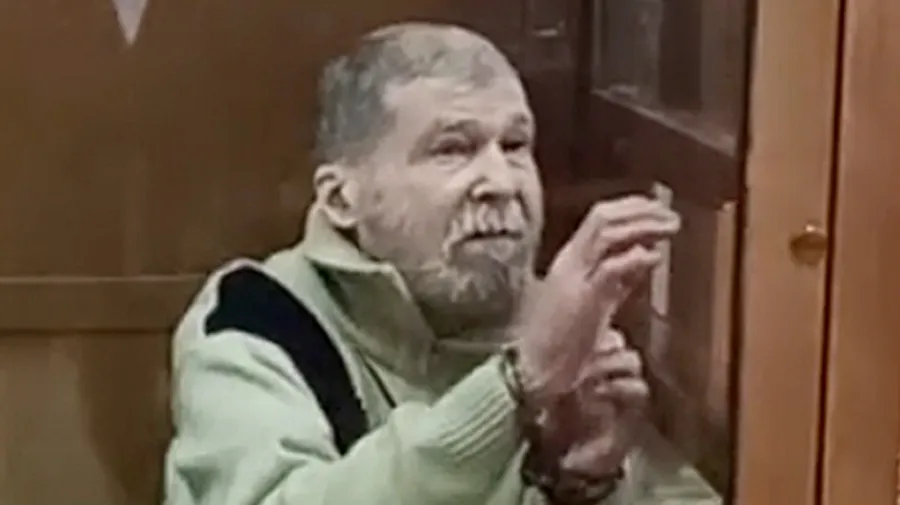
Hubbard, 74, is from Michigan and is a former or retired teacher. The release was reported as taking place without a prisoner exchange or swap, according to accounts from PBS NewsHour and Al Jazeera. PBS NewsHour and NPR also report that President Donald Trump requested Hubbard’s release, although that detail is not stated independently across all of the supplied reports.
The timing linked Hubbard’s case to a senior-level diplomatic meeting. Witkoff was in St. Petersburg for talks with Putin, and the reports consistently connect the release with that visit. PBS NewsHour reported that Witkoff greeted Hubbard after the release, while other accounts described Putin as announcing it during the talks.
The supplied reporting differs in how it describes the roles of the participants. BBC News and Deutsche Welle say Putin announced the release. Euronews says Witkoff announced it during the meeting, while PBS NewsHour reports that Putin decided to free Hubbard after the issue was raised by the American side. These accounts establish the release and its connection to the talks, but do not resolve the precise distinction between who announced, communicated or formally decided it.
The case began with Hubbard’s detention in the context of Russia’s war in Ukraine. Russian authorities accused him of signing with or fighting alongside Ukrainian military forces after Russia’s full-scale invasion, and reports describe him as having been captured in eastern Ukraine. Those allegations and case descriptions are attributed to Russian authorities or to the supplied reporting; the evidence provided does not independently establish what Hubbard did.
Hubbard was convicted in a closed trial in 2024 and sentenced to approximately seven years in prison, according to the supplied reports. The sentence is described as seven years by some accounts and as nearly seven years by others. Reports also vary in describing the underlying accusation, using terms including fighting alongside Ukrainian forces, signing a military contract or acting as a mercenary.
After his release, BBC News reported that Hubbard was taken to Pulkovo Airport. The supplied evidence does not establish a documented airport handover or the precise legal mechanism by which he was freed. The Moscow Times reported that Hubbard had arrived back in the United States, while PBS NewsHour and Al Jazeera described him as flying or being on his way home.
The release came without a reported swap, distinguishing the case from prisoner exchanges described in the supplied source material. PBS NewsHour said multiple U.S. officials characterized the release as not requiring the United States to give anyone up, while Al Jazeera reported that Trump said the United States gave nothing in return. The evidence does not specify the legal basis or formal mechanism of the decision.
The episode places an individual detention case inside continuing U.S.-Russia diplomatic engagement, but the supplied evidence does not establish that Hubbard’s release represents a broader agreement. What is documented is narrower: Russia freed Hubbard after years in detention, the move coincided with Witkoff’s talks with Putin, and reports differed over the roles played by Putin, Witkoff and the American side in announcing or securing it.
SOURCES
- PBS NewsHourRussia frees American Stephen Hubbard after over 4 years in prison, during a visit from U.S. envoy Witkoff
- Al JazeeraRussia releases American Stephen Hubbard after four years in prison
- EuronewsRussia frees detained American Stephen Hubbard during US envoy's visit
- The HillWho is Stephen Hubbard, imprisoned American released by Russia?
- BBC NewsRussia frees US citizen Stephen Hubbard, state media reports