The result left the formation of a governing majority unresolved. France 24 and Handelsblatt reported that neither major bloc appeared to have enough support to command a majority in the Knesset, leaving the next phase focused on possible alliances rather than a settled governing arrangement.
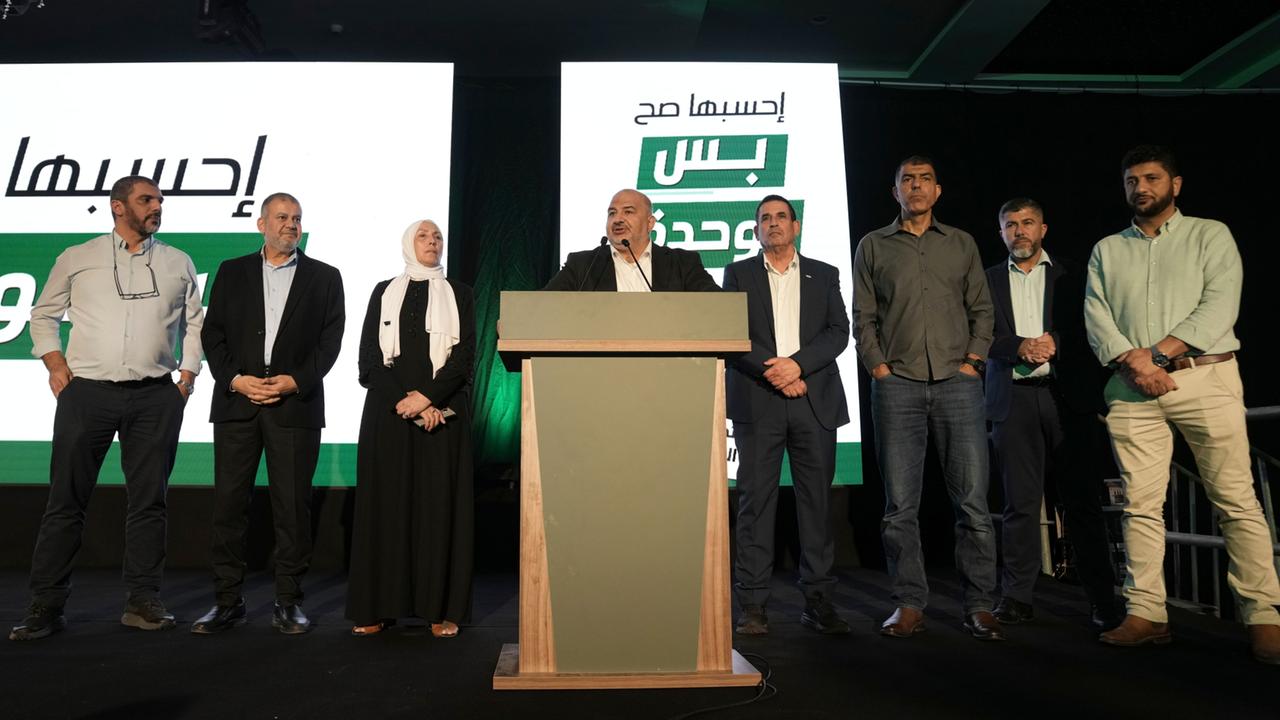
Arab parties emerged from the vote with an unusually strong, potentially record-level performance. Their showing means they could become important coalition actors or unexpected kingmakers, particularly if support from them helps one of the larger blocs overcome the deadlock.
Al Jazeera reported that exit-poll projections indicated Eisenkot’s bloc could potentially unseat Netanyahu if it cooperated with Arab parties. That projection describes a possible coalition arithmetic, not an established agreement or confirmed change of government.
The stronger Arab-party result does not automatically translate into political power. NPR World and Handelsblatt reported that cooperation with Arab parties carries substantial political risks, while it remains uncertain whether Eisenkot’s opposition bloc would choose to work with them.
The available reporting therefore points to an unresolved political test: Arab parties may hold greater leverage in coalition negotiations, but their ability to use it depends on decisions by the opposition and on whether cooperation can produce a governing majority. Final seat totals and a certified governing arrangement were not supplied in the available material.
SOURCES
- France 24Arab parties ‘have woken up’: Israel's uncertain election may deliver surprise kingmakers
- HandelsblattIsrael: Können arabische Parteien die Blockade in Israel auflösen?
- TagesschauParlamentswahl in Israel: Wofür die arabischen Parteien stehen
- Al JazeeraWhy Arab parties may not be the ‘kingmakers’ in this Israeli election
- NPR WorldEx-Israeli diplomat calls opposition's refusal to work with Arab parties 'reckless'