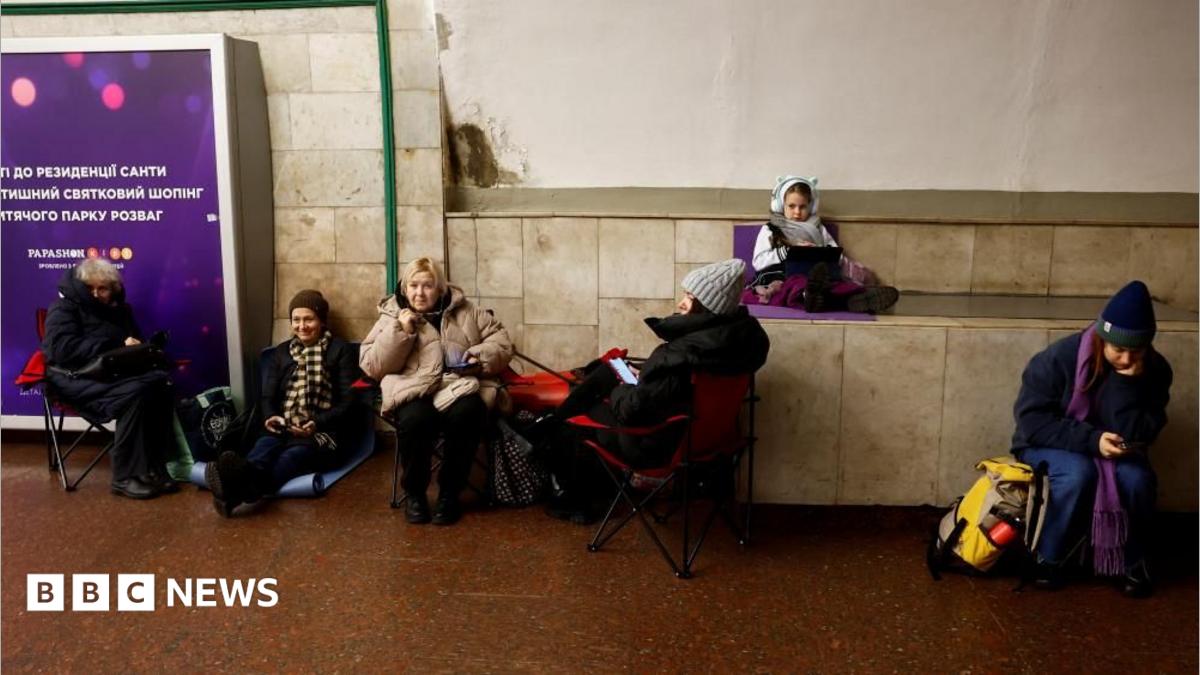
The incident affected a system used to warn people about dangers during the war. Ukraine’s Air Force said the notifications no longer matched the situation on the ground and advised the public to remain calm and follow official information channels. The available reports do not establish who was behind the suspected interference or definitively confirm the application’s technical compromise.
Users received alerts suggesting that some parts of Ukraine faced radiation, nuclear or chemical threats. Tagesschau reported that a false warning about radiation danger appeared in Kyiv, adding a specific example to the broader reports of misleading notifications.
France 24 reported that the suspected interference came shortly after a local ceasefire with Russia ended in the eastern Kherson region. That account provides a reported sequence for the incident, but the supplied evidence does not establish a causal link between the ceasefire’s end and the disruption.
The reports agree on the central development: false alerts appeared in a national warning application, while authorities said there was no corresponding danger on the ground. They differ in how firmly they describe the cause, with the incident characterized as apparently or probably hacked rather than as a definitively established cyberattack.
Tagesschau separately reported that Russia had also said its warning application was attacked. That account concerns a separate Russian incident and does not identify the perpetrator of the Ukrainian disruption or resolve the uncertainty over its technical cause, geographic scope or duration.
SOURCES
- TagesschauFehlalarm in Kiew nach Hackerangriff auf Warn-App
- BBC NewsUkraine air raid app apparently hacked as users receive false radiation threat, Air Force says
- France 24Ukraine suspects nationwide air raid alert app has been hacked
- ABC Australia SportUkrainian air raid alert app sends false warnings after being hacked