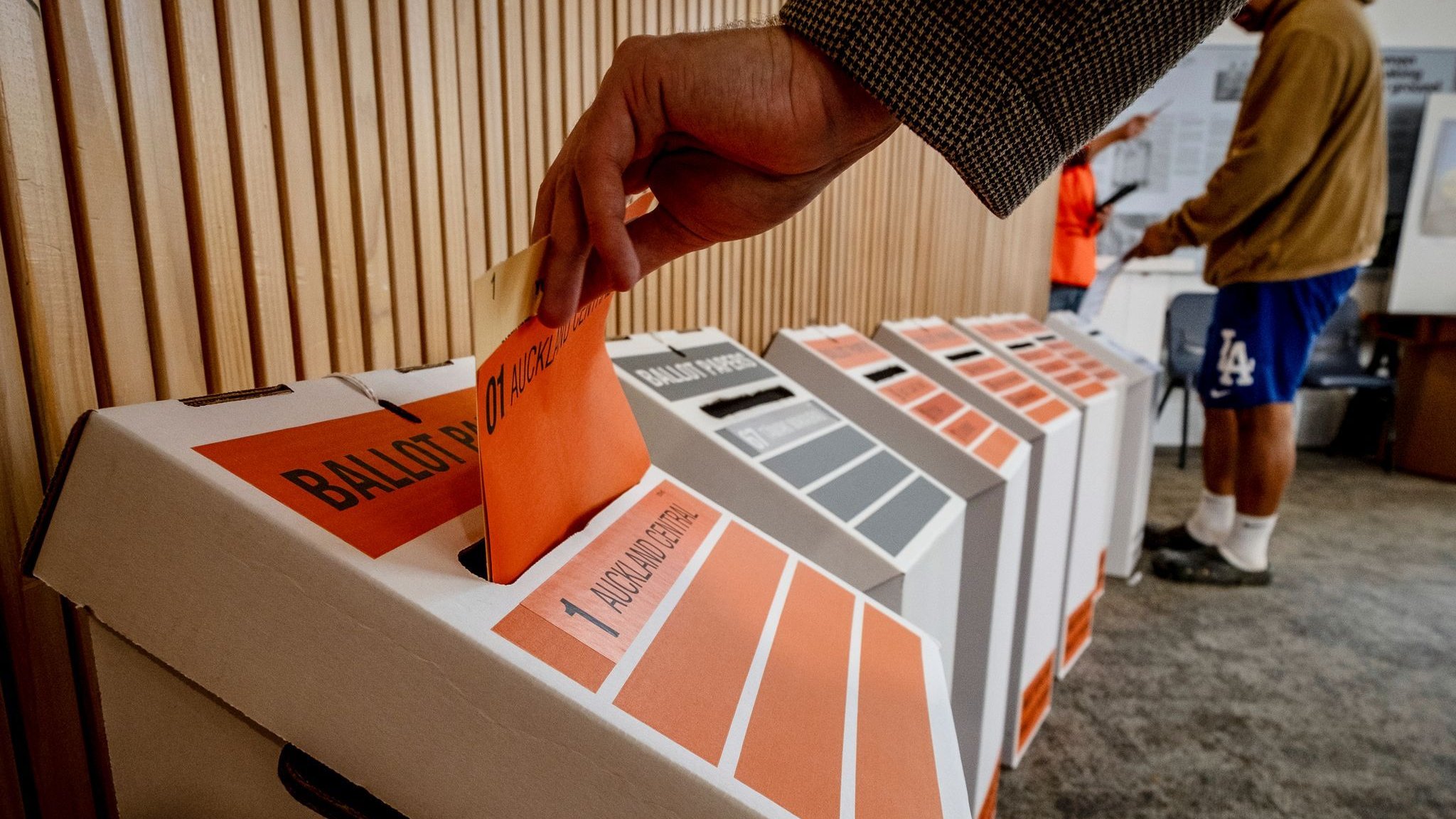
The count moved through two notably tight stages. Euronews reported that, with just over 42% of votes counted, Labour had 29.71% and National 29.41%. Later, Deutsche Welle reported that more than 95% of votes had been counted and that fewer than 4,000 votes separated the two main parties. The supplied reports do not establish a final winner.
That narrow margin did not settle the question of who could form the next government. The reports indicate that neither main party was expected to secure a parliamentary majority on its own, leaving the final seat allocation and governing arrangement unresolved.
The campaign had focused substantially on the cost of living and the economy, issues that framed the contest between Luxon’s coalition and Hipkins’s Labour Party. The result therefore remained politically consequential even as the counting itself offered no decisive conclusion.
Minor parties could become central to the next stage. The Hindu reported that the Opportunity Party was polling above the five-percent threshold and could influence government formation. Its role matters because the available reporting indicates that governing arrangements may depend on parties beyond the two main contenders.
Deutsche Welle reported that official results were not expected until later in November because special votes still had to be counted. Until that process is complete, the supplied sources leave open which party will finish ahead, how seats will be distributed and what governing arrangement will emerge.
SOURCES
- EuronewsNew Zealand counts votes in razor-thin election after campaign centred on cost of living
- The HinduNew Zealand vote still too close to call as results trickle in
- Deutsche WelleNew Zealand election too close to call with over 95% of votes counted
- HandelsblattWahlen: Neuseeland hat gewählt - knappes Rennen erwartet