Transportation Secretary Sean Duffy said the stoppage followed maintenance work intended to replace copper wire with fiber cable. He said the disruption could have involved contractor error or faulty equipment, but officials had not established which failure occurred. The cause remained under investigation, with human error and an installation problem also among the possibilities being examined.
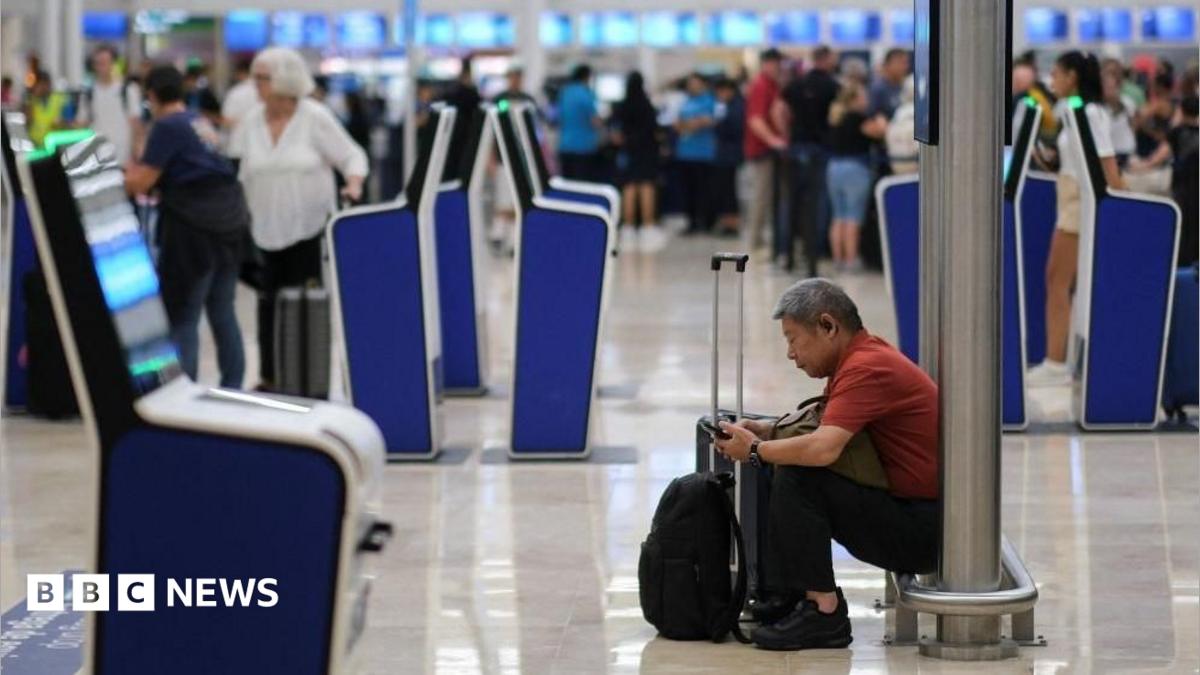
The ground stop created a chain of delays well beyond the period when departures were suspended. Hundreds of thousands of passengers were left in limbo, and travelers continued to face disruption after service resumed. Some passengers were removed from aircraft shortly before departure, according to reporting by the South China Morning Post and The Korea Herald, as airport and airline staff dealt with the breakdown.
Thousands of flights were canceled during the disruption. Clarín reported more than 5,500 cancellations by late Saturday afternoon, while The Korea Herald reported more than 6,200 by Saturday evening. The figures differ, and the available reports do not establish why; they were recorded at different times and may involve different counting scopes.
The administration said operations were expected to return to normal or be fully restored by Sunday. That was an official expectation rather than confirmation that the network had already recovered. The interruption also produced continuing pressure on airlines and airports as they worked to rebook passengers and absorb the backlog.
Clarín identified L3Harris as the FAA service provider associated with the maintenance work and reported that the company was cooperating with the investigation. The supplied reporting does not identify the specific contractor performing the work, leaving an important part of the chain of responsibility unresolved.
The disruption quickly became a political issue. New York Governor Kathy Hochul called for Duffy to resign or be removed and urged an investigation into what happened. The episode also prompted broader calls to examine the reliability and modernization of the US air-traffic-control infrastructure.
The available evidence establishes the sequence of events but not a definitive technical explanation. Officials linked the breakdown to the copper-to-fiber upgrade, while the investigation was still weighing contractor error, defective equipment, human error and installation failure. The reports also raised concerns about aging air-traffic systems, but they do not establish whether one specific component or decision was ultimately responsible for the nationwide shutdown.