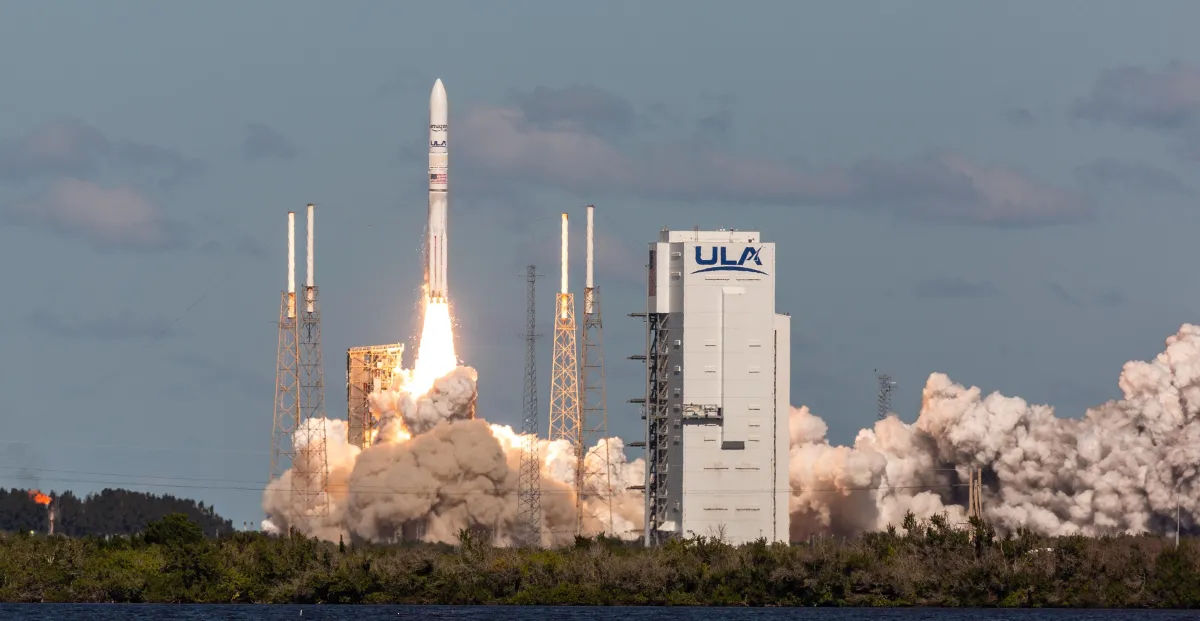
The failure occurred roughly 10 minutes into the flight, when the rocket suffered what ULA described as an anomaly and failed to place the Amazon mission into orbit. Reports from Clarín, the South China Morning Post and the Times of India agree on the timing and the failed orbital delivery, while The Verge also reported the loss of the 40-satellite payload.
The immediate consequence was the loss of a substantial group of spacecraft intended for Amazon Leo, the company’s satellite-internet network. The incident therefore affects more than a single launch: it removes satellites from an effort designed to compete with SpaceX’s Starlink, according to the supplied reporting.
ULA said the technical cause was not yet clear and that it was working with Amazon Leo and other parties to determine what happened and identify corrective measures. That leaves the central engineering question unresolved in the available accounts: the reports establish when the failure occurred and what was lost, but not which component or flight event caused the anomaly.
The launch also carried significance for ULA itself. The company is a joint venture of Boeing and Lockheed Martin, and the incident was reported by several publications as its first mission failure in roughly two decades. That historical characterization remains attributed rather than officially confirmed in the supplied evidence, with The Verge using reportedly and Clarín referring to specialized media.
For Amazon’s deployment plans, the failed Vulcan flight was one part of a broader launch strategy. The Times of India reported that Amazon is using or considering other providers, including Blue Origin and Arianespace, for its satellite constellation. Because that detail comes from a single supplied source, it provides context for the company’s options but does not establish how those providers’ schedules or roles will change after the Vulcan failure.
The verified picture is consequently mixed: Amazon Leo has lost 40 planned network satellites, while ULA is examining an unexplained anomaly and Amazon retains other reported launch-provider options. The sources support calling the event a setback for Amazon’s challenge to Starlink, but they do not establish the failure’s technical cause or its eventual effect on the wider deployment timetable.
SOURCES
- Times of IndiaAmazon loses 40 Leo satellites as ULA's Vulcan rocket fails minutes after launch
- ClarínLanzamiento fallido de cohete Vulcan en EEUU destruye 40 satélites Amazon Leo
- South China Morning PostRocket launch in US fails, destroying payload of 40 Amazon satellites
- The VergeVulcan rocket fails, destroying 40 Amazon Leo satellites