The projection concerns the warming trajectory associated with current policies, rather than a confirmed future outcome. Reports by Handelsblatt, Tagesschau and Deutsches Ärzteblatt published on October 21, 2026, all described the UN’s estimate of approximately 2.8°C by the end of the century.
The assessment places the current policy path well above the internationally agreed 1.5°C limit. Tagesschau reports that the threshold is likely to be exceeded, but the supplied reporting does not establish when that would happen or by how much the limit would be surpassed.
Handelsblatt, citing the United Nations Environment Programme, reports that even the best-case scenario described would result in at least 1.7°C of warming by mid-century. Additional measures would be needed to reach that level, according to the same reporting.
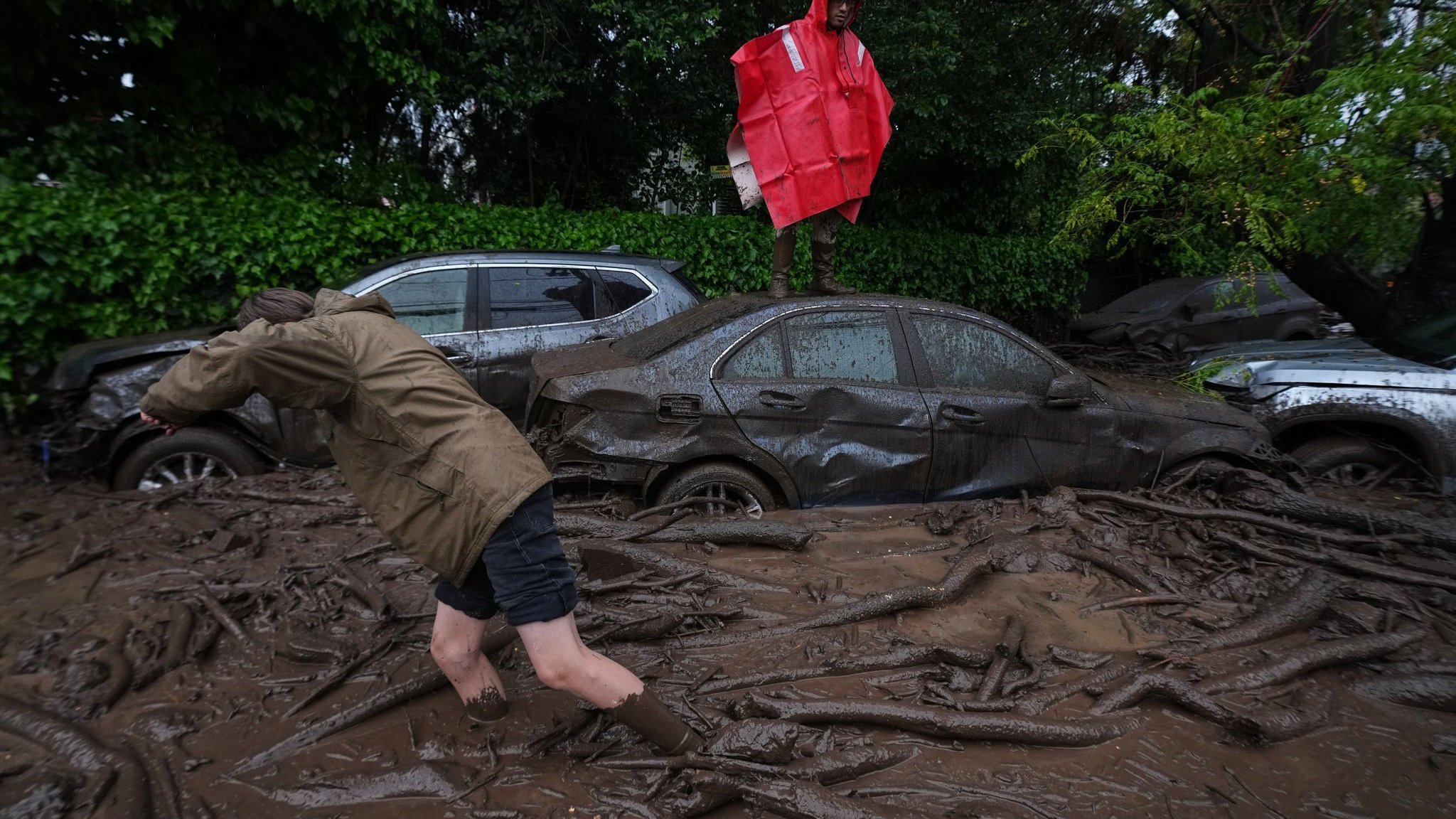
The consequences of further warming are also highlighted in the reporting. Deutsches Ärzteblatt says the assessment warns that every fraction of a degree above 1.5°C increases the risk of deadly floods, heatwaves and wildfires.
The UN also emphasizes that progress has been made on climate protection, Tagesschau reports, while warning that the time available for further action is limited. The supplied material does not provide the assessment’s title, methodology or detailed emissions scenarios, leaving those elements outside what can be established from the available evidence.