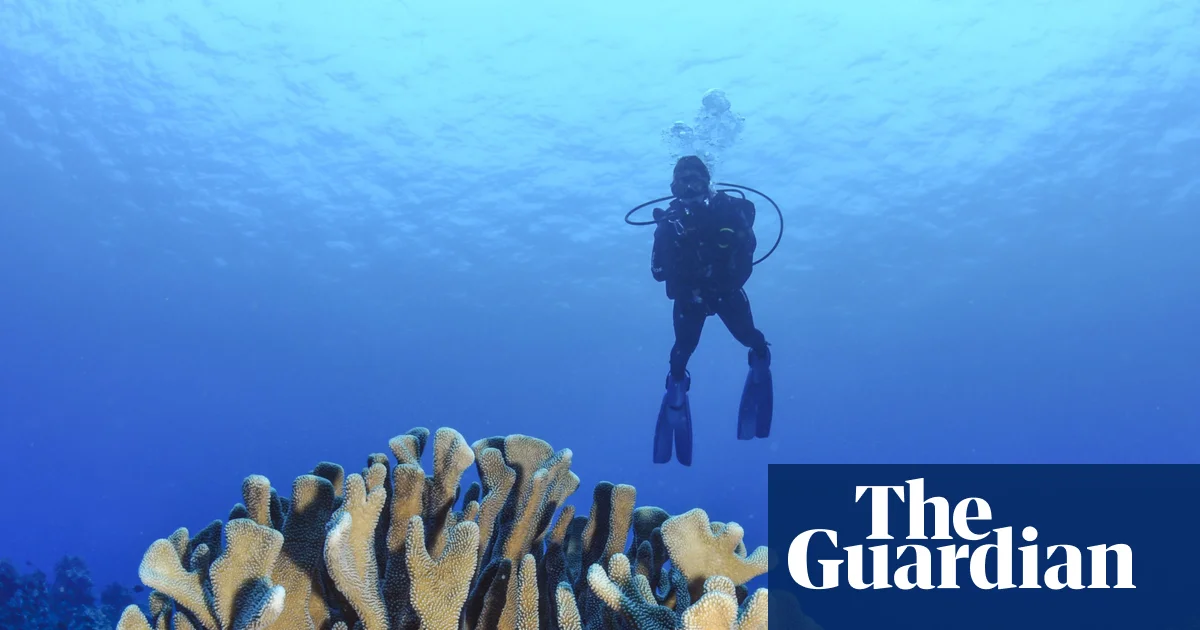
The findings describe a sharp increase in the share of reefs considered at critical risk once future warming is taken into account. Climate change, or global heating, is identified as the main driver of the projected danger and the biggest threat associated with the potential collapse of shallow-water reef ecosystems.
According to The Guardian, about 24% of the world’s reefs were already classified as critically endangered before projected global-heating impacts were added. The same report said the assessment covers reefs in more than 80 countries, including Australia’s Great Barrier Reef.
The International Union for Conservation of Nature issued or conducted the reported assessment, according to reporting by The Japan Times, RFI and Deutsche Welle. The Japan Times described it as the IUCN’s first global assessment, while the available reports use different terms for the 96% classification, including critically endangered, critical risk and extremely high risk.
The projection concerns the risk of ecosystem collapse by 2075; it does not establish that every reef included in the assessment will necessarily collapse. The available evidence therefore indicates a broad, climate-linked risk outlook rather than a prediction of identical outcomes for all reef systems.
SOURCES
- The GuardianAlmost every shallow-water coral reef on the planet faces ecosystem collapse by 2075, UN advisors say
- RFINearly all coral reefs at risk of collapse by 2075, conservation body warns
- Deutsche Welle96% of world's coral reefs face critical risk of collapse, IUCN warns
- The Japan TimesNearly all coral reefs risk collapse in 50 years: IUCN