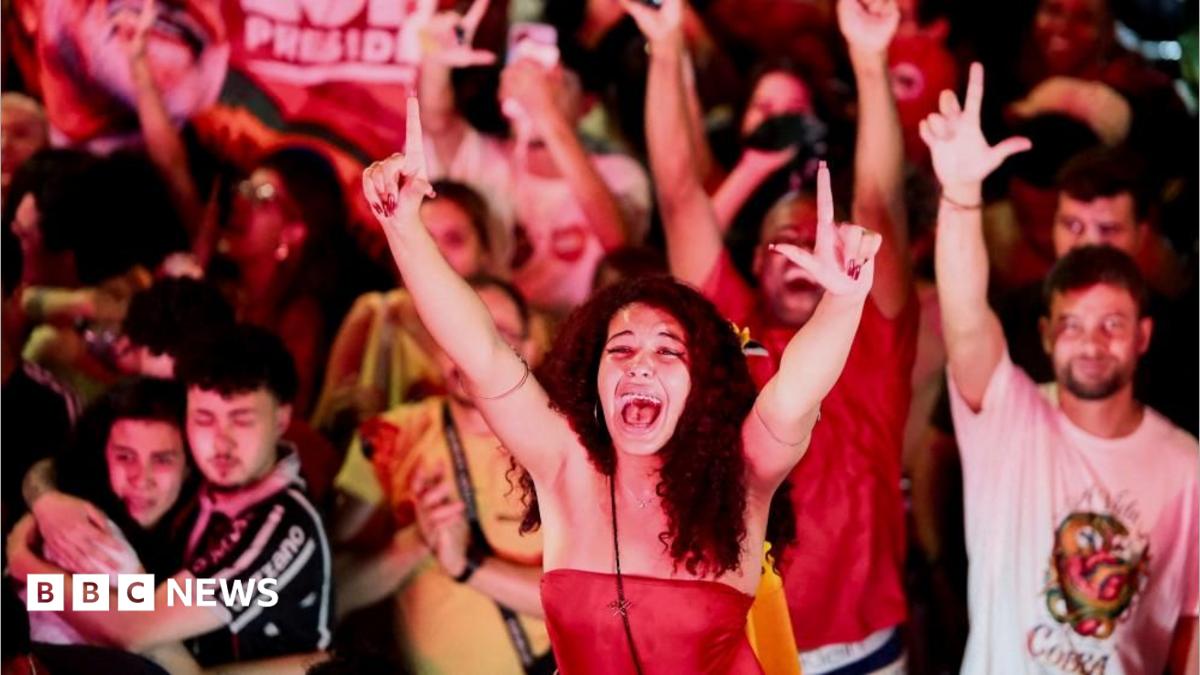
Lula won the runoff and secured a fourth, non-consecutive presidential term, defeating Flávio Bolsonaro, according to the Times of India and ABC Australia Sport. ABC Australia Sport reports that the runoff was held on October 25, 2026. The election was closely contested, and the WhatsApp operation emerged as a central case study in how campaign messages could be connected to voter participation.
The channel, also referred to as “Exército do Lula,” was used to support Lula and encourage people to campaign, vote and take part in offline mobilization. BBC World, the Times of India and ABC Australia Sport describe sustained messaging aimed at increasing participation rather than leaving support confined to social media. The available accounts therefore present the channel as an organizing mechanism as well as a communications outlet.
Its reported reach expanded sharply during the campaign. Al Jazeera reported that more than 10 million Lula supporters joined the channel, while the Times of India and ABC Australia Sport gave figures approaching 11 million and exceeding 10.8 million respectively. Taken together, those accounts establish a membership or backing figure above 10 million, although they do not provide a single independently verified measure of how many participants voted because of the channel.
ABC Australia Sport described the mobilization as developing over 21 days between the first-round setback and the runoff. That account places the effort within a compressed period of renewed campaigning, while the other coverage confirms the broader pattern of persistent online messaging and efforts to bring supporters into real-world political activity.
The reported political significance of the channel is stronger than the evidence for a precise causal measurement. BBC World said it was credited with transforming online enthusiasm into real-world mobilization. The Times of India described it as central to the campaign, while ABC Australia Sport called it a key factor in Lula’s victory. Those are descriptions by news reports and commentators; they do not establish how many votes the WhatsApp effort directly produced or isolate its effect from other campaign activity.
The wider voting figures cited by the coverage offer one explanation for why mobilization mattered. The Times of India and ABC Australia Sport reported that an additional 14.1 million voters participated in the runoff and that analysts estimated roughly three-quarters of those votes went to Lula. That estimate is not an official allocation of votes, but it points to the importance attributed to voters who had not supported Lula in the first round or had not participated then.
The accounts also place the WhatsApp campaign within a contested political environment. The Times of India reported that Flávio Bolsonaro pledged to organize opposition to Lula and seek to nullify or legally challenge the result. The same report said Donald Trump questioned the vote and described it as appearing rigged, while presenting no evidence in the account. Neither the success of any challenge nor its effect on the result is established here.
What the documented episode shows most clearly is the scale of the mobilization and the campaign’s effort to connect digital communication with participation outside WhatsApp. It does not, on its own, prove that the channel determined the election. Lula’s victory is reported by the Times of India and ABC Australia Sport, while the claim that “Lula’s Army” contributed to it remains an attributed assessment rather than a quantified causal finding.
SOURCES
- Times of IndiaHow a WhatsApp channel called ‘Lula’s Army’ became a force in Brazil election
- ABC Australia SportHow WhatsApp 'army' flipped Brazil election and halted Trumpian trend
- BBC WorldHow 'Lula's Army' WhatsApp chat helped turn Brazil election around
- Al JazeeraHow a WhatsApp channel helped Lula win Brazil’s election