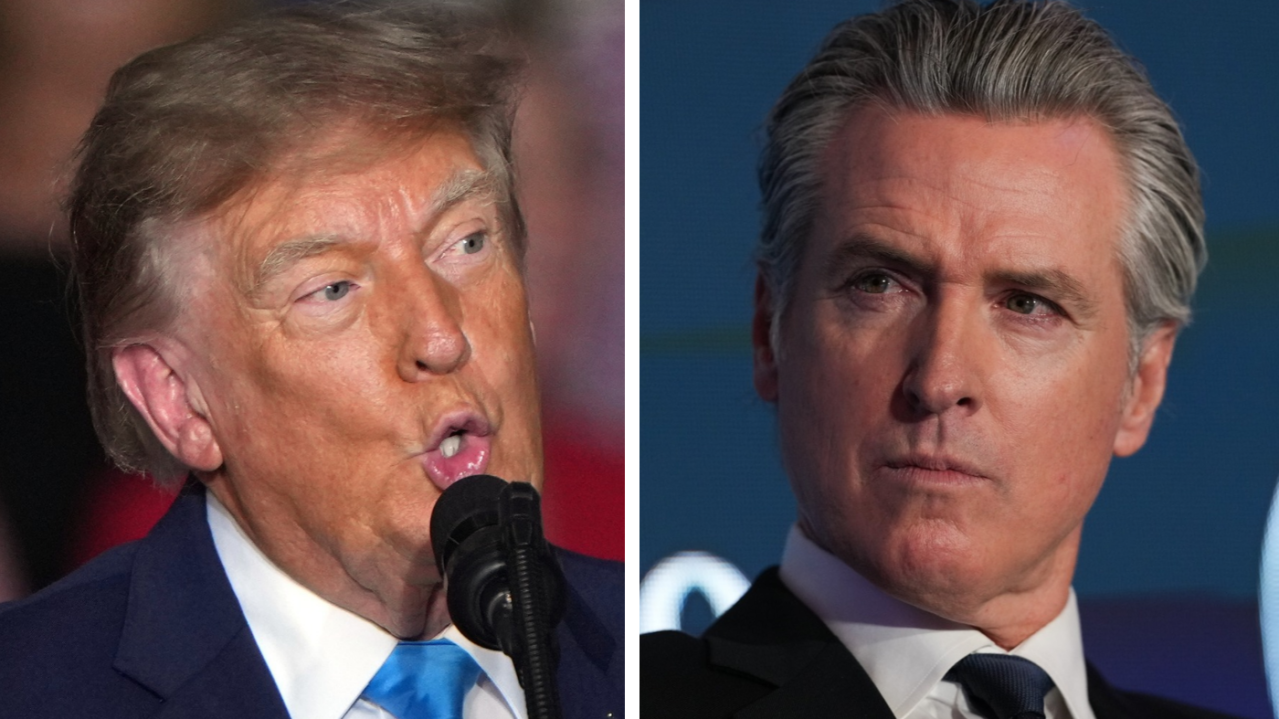
The case concerns ballots in California’s 2026 midterm election. The Trump administration alleged that ballots had been sent to people who were likely not U.S. citizens and asked that they be withheld from counting while their citizenship was checked. The Ninth Circuit’s ruling rejected that request.
The appeal followed a lower-court decision against the administration’s request. The Hill reported that the appeals court majority did not dispute the lower court’s finding that the list used to identify the disputed ballots was not credible. That finding bears directly on the administration’s proposed process: the ballots were to be separated on the basis of a list whose reliability had already been challenged in court.
The majority also characterized the requested action as unconstitutional and warned that it could disenfranchise eligible voters, according to reporting by Al Jazeera, PBS NewsHour and Clarín. Those reports frame the dispute not only as a question about individual ballots, but also as a conflict over how election procedures are administered and how uncertain voter-identification claims should be handled.
The split decision adds to the administration’s broader effort to assert control over state-run elections, which PBS NewsHour and The Hill described as having suffered another setback. The immediate legal development is therefore narrower than a ruling on the underlying citizenship allegations: the court rejected the requested ballot-segregation measure in this California case.
SOURCES
- PBS NewsHourAppeals court rejects Justice Department request for California to set aside disputed ballots
- Al JazeeraUS appeals court again rejects Trump bid to set aside California ballots
- The HillAppeals court rules against Trump — again — on California ballots
- ClarínLa Justicia vuelve a frenar a Trump en su intento de bloquear 20.000 votos en California