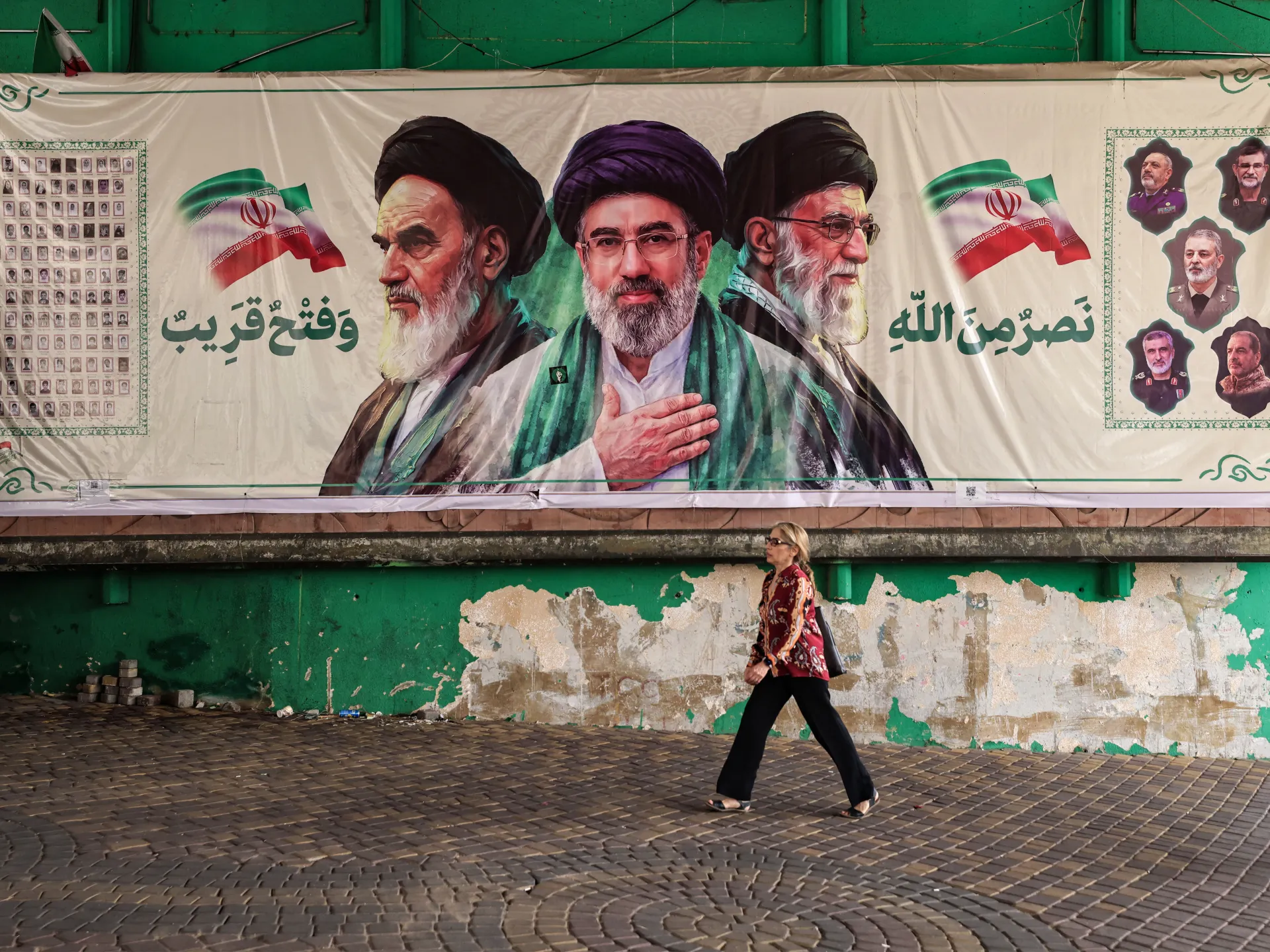
The warning was delivered in a message or meeting involving senior Iranian military commanders. The reports describe the leadership directive as a demand for maximum preparedness and an immediate response without limits on where retaliation might occur. They do not establish where the warning itself was issued.
The timing placed the military warning alongside an active diplomatic channel. Al Jazeera reported that senior Qatari diplomats held extensive talks in Tehran on Friday, with further discussions expected on Saturday. The talks were intended to prevent a new outbreak of war involving Iran and the United States, while the Financial Times described the feared escalation as a possible US-Israeli bombing campaign.
The two reports frame the warning as conditional rather than as evidence that an attack had taken place. They refer to feared or reported possible US-Israeli strikes, but do not establish that such an operation was imminent or confirmed. That leaves the diplomatic effort focused on preventing escalation rather than responding to a verified new attack.
The supplied reporting also leaves the outcome of the mediation unresolved. Al Jazeera said no official response had been given through mediators and that additional talks were expected; the excerpts do not establish that an agreement was reached. The reports further differ over the supreme leader’s specific name, so this article uses the institutional description rather than resolving that identity discrepancy.