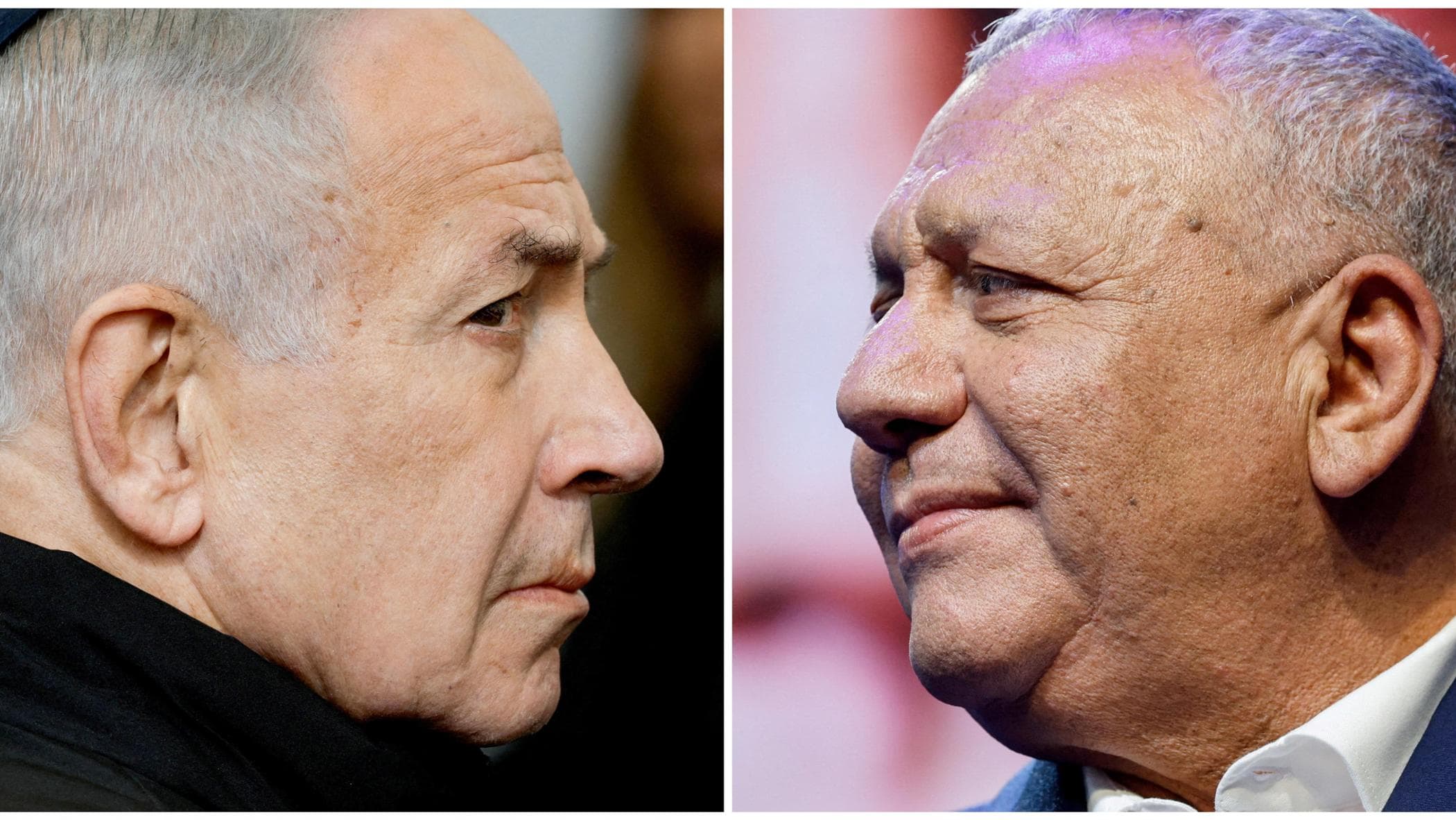
The maneuver places Eisenkot at the center of coalition consultations involving President Isaac Herzog. La Repubblica reports that the Joint List and Ra'am are inclined to recommend Eisenkot to Herzog when consultations begin on Wednesday. The same report says Eisenkot's party has 48 seats in the Knesset and is examining an alternative majority, although the supplied evidence does not identify the party by name.
The proposed route would depend on support, cooperation or abstention from parties outside Eisenkot's grouping. Both La Repubblica and ANSA describe outreach to Arab parties and ultra-Orthodox parties, with ANSA specifically referring to Ra'am. The position of the ultra-Orthodox parties remains an object of negotiation rather than a confirmed commitment.
ANSA reports that the available numbers are currently insufficient to form a government, while the represented parties have enough presence to operate in the Knesset. The supplied material does not provide the arithmetic behind that assessment or establish the precise number of seats required for a governing majority.
A separate possibility could involve cooperation between Eisenkot and Benjamin Netanyahu. India Today reports that Netanyahu may be open to an alliance with Eisenkot as Israel confronts the deadlock. That possibility is presented as a reported option, not as an official statement or a confirmed negotiating position.
The immediate outcome remains unsettled. The reports describe coalition-seeking, consultations and possible alliances, but they do not establish that a coalition agreement has been reached. The next stage will therefore depend on recommendations to Herzog and on whether Eisenkot can secure enough cooperation or abstention to turn his alternative plan into a viable government.