International tourist arrivals to Europe increased by 3% in summer 2026 compared with the same period in 2025. The European Travel Commission’s latest quarterly tourism report also found that 80% of European destinations recorded an increase in foreign visits compared with the previous year, according to the ETC.
The growth was uneven across destinations. The ETC reported that smaller and value-for-money destinations led the increase, naming Malta, Slovakia and Ireland among the leaders. The commission’s account places that performance against a broader European tourism market that remained resilient over the summer.
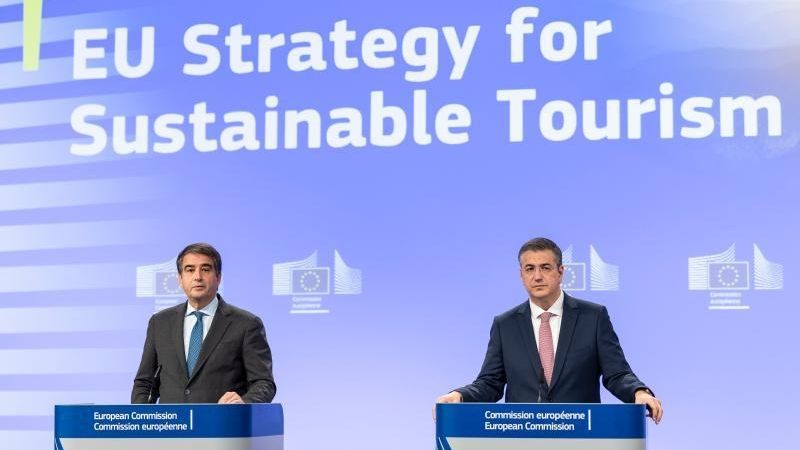
The strategy is intended to support competitiveness, sustainability and resilience across tourism. The European Travel Commission links it to reducing seasonality and welcomed it as a positive first step toward stronger cooperation between European institutions and tourism stakeholders, as well as increased multilevel governance.
The policy was announced against a more difficult operating backdrop. Geopolitical tensions or instability, rising costs and climate-related risks are identified as pressures on European tourism and its winter outlook. The ETC also points to higher energy prices, restrictions affecting Middle East airspace and tighter household budgets as factors that could make travellers more price-sensitive this winter and into 2027.
The procedural description is not entirely uniform in the reporting. The European Travel Commission characterized the strategy as adopted, while fvw News described it as presented; the confirmed chronology is that the Commission published it on 4 November 2026. The reports do not specify the formal adoption venue or provide a detailed implementation timetable.
fvw News reported that the Deutscher Reiseverband was among organizations offering praise for the strategy, but gave no further detail on the association’s views or role. The available reporting therefore establishes the policy direction and the conditions facing European tourism, while leaving the strategy’s specific measures and implementation process unspecified.
SOURCES
- European Travel CommissionEU Sustainable Tourism Strategy adopted against background of increasing resilience and reducing seasonality
- fvw NewsWettbewerbsfähigkeit und Resilienz stärken: EU-Kommission bei neuer Tourismusstrategie einig
- Travel Daily NewsEuropean tourism shows resilience as seasonality and geopolitical risks reshape demand