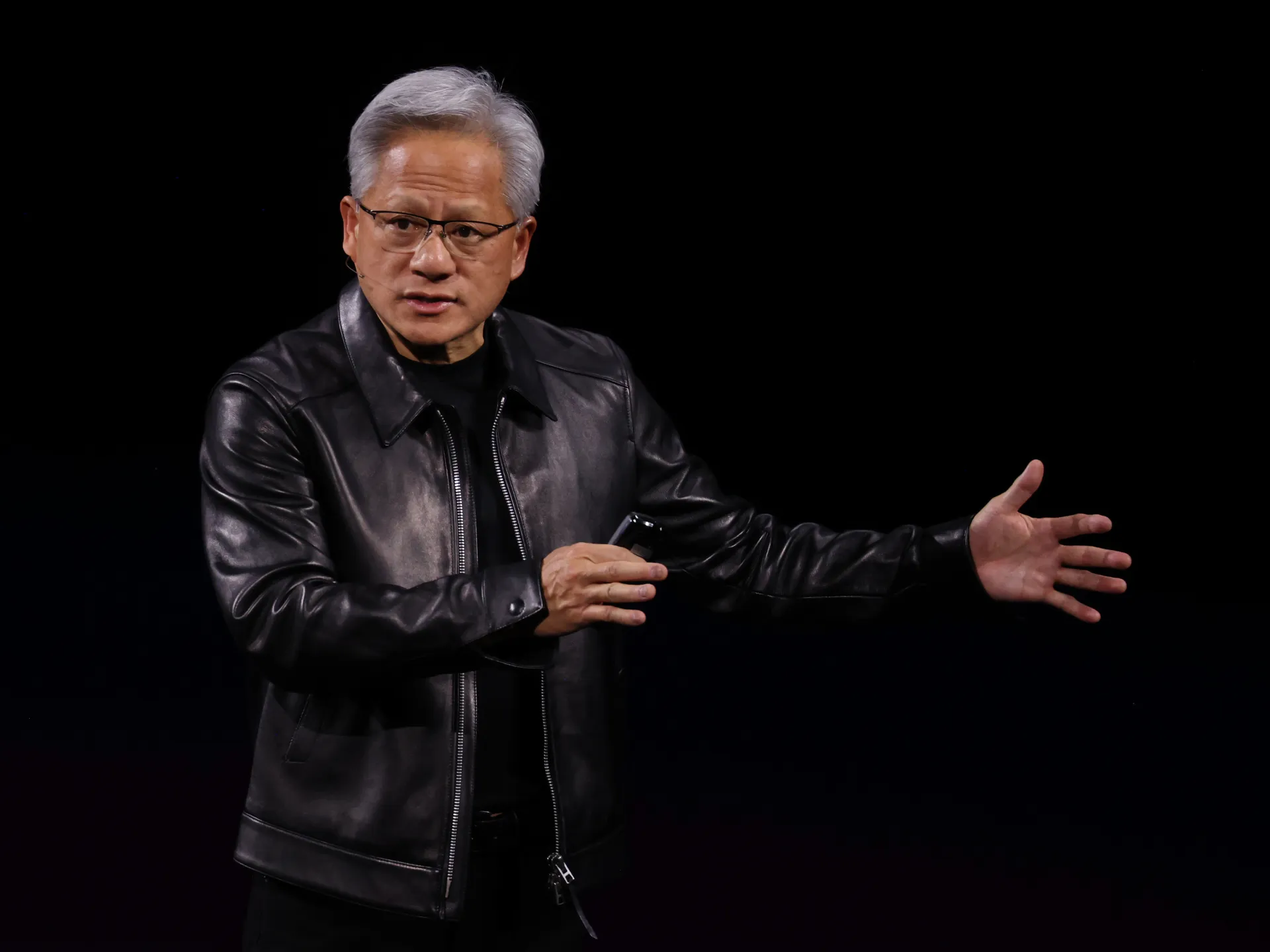
Huang’s admission was reported by the Financial Times and Forbes Business as a message or statement to Nvidia employees. The company’s response, described variously as an investigation or a pledge to examine the reports, links the personal disclosure to allegations about the woman’s possible connection to Chinese espionage. Several reports describe that connection as an accusation, suspicion or rumor rather than an established fact.
Handelsblatt reported, citing media reports, that US authorities suspected the woman had been recruited by Chinese intelligence. That is a more specific characterization of the allegation, but the supplied material does not independently confirm that the authorities held such a suspicion or that the woman worked for Chinese intelligence.
The available reporting does not identify the woman involved. Nor does it establish that she was a Chinese spy or that espionage took place. The central confirmed developments are Huang’s admission of infidelity, his communication with Nvidia employees and the company’s decision to investigate the reports.
The scope of Nvidia’s inquiry, the identity of any investigators and its eventual outcome are not specified in the supplied sources. The company’s investigation therefore remains the documented institutional response, while the alleged intelligence connection remains unresolved and should not be treated as proven.
SOURCES
- Financial TimesNvidia’s Huang admits to affair after allegations of relationship with Chinese spy
- HandelsblattSpionageverdacht: Huang entschuldigt sich für Affäre – Nvidia will Berichte über ausländische Spionin prüfen
- Forbes BusinessNvidia Investigating CEO Jensen Huang’s Relationship With Alleged Chinese Spy After He Admits Affair
- Al JazeeraUS chipmaker Nvidia investigates CEO Jensen Huang over affair
- Deutsche WelleNvidia CEO Huang admits affair amid rumors of China spy ties