The warning was reported as the COP31 climate summit began in Turkey. The Guardian Environment reported that the WMO update identified an accelerating buildup of heat across Earth’s systems, highlighting a worsening imbalance in the planet’s energy flows.
According to the same reporting, the gap between incoming energy from the sun and energy leaving Earth reached its highest level since monitoring began. The finding places the latest assessment in the context of a climate system retaining more heat, although the supplied material does not provide the report’s full methodology.
The Hindu reported that the WMO update showed 2026 continuing a streak of exceptional global temperatures, melting ice and rising sea levels. The Guardian Environment separately reported that the year was on track to be one of the four warmest on record.
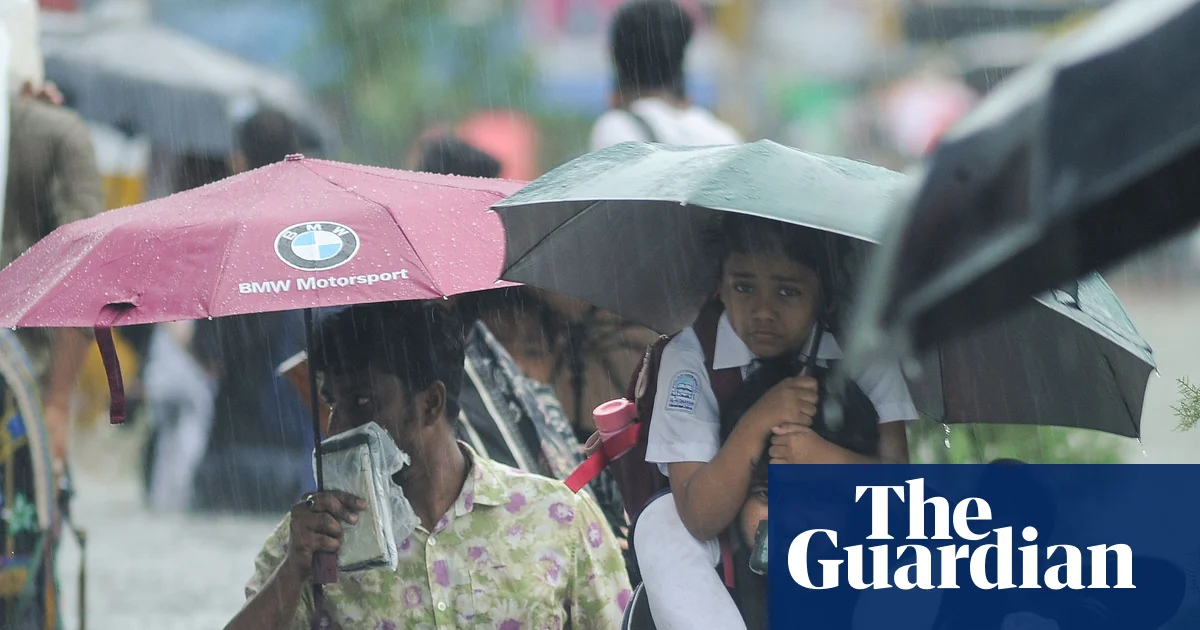
The reported increase in heat was linked to a heightened risk of extreme weather events. The warning from the UN chief gives that risk a broader political frame, presenting the latest climate indicators as evidence of a shift toward more frequent or severe extremes rather than an isolated temperature trend.
The available reports establish the WMO’s reported findings and the UN warning, but they do not identify individual extreme-weather events or their locations. They also do not identify the UN chief by name, leaving the immediate assessment focused on the global signals documented in the update and the warning issued alongside the summit.