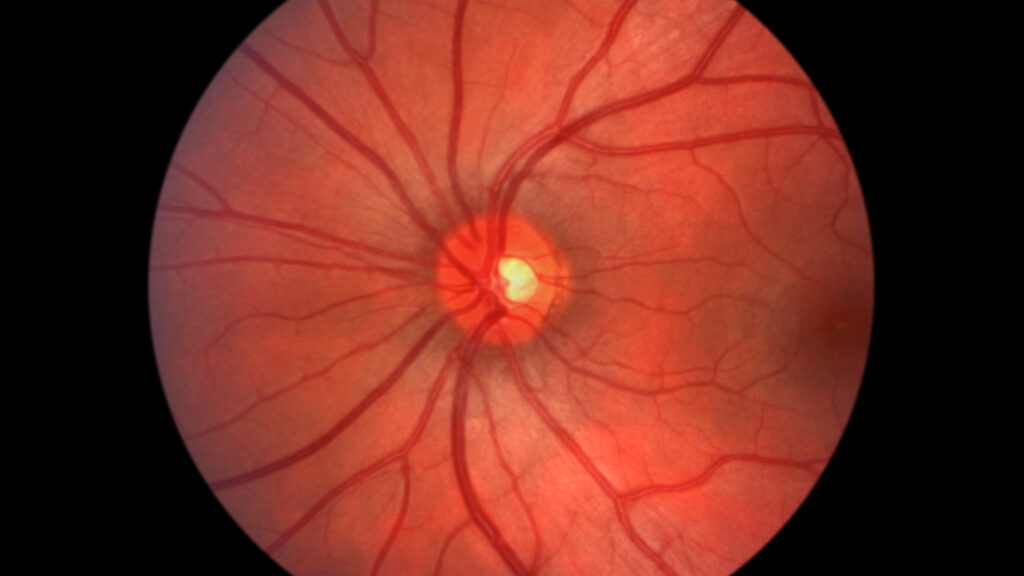
NAION affects the optic nerve and is sometimes called an “eye stroke.” The condition is described in reporting on the FDA warning as rare and serious, with the potential to cause sudden vision loss and, in severe cases, blindness.
The regulatory action covers GLP-1 medicines used for weight loss and diabetes treatment, according to The Hill. The publication reported that pharmaceutical companies were required to warn patients and health care providers about a potential increased risk associated with the drugs.
MedPage Today reported a more specific change: manufacturers of all GLP-1 drugs were required to update prescribing information with a warning about the potential NAION risk. That account identifies the condition as potentially blinding, while keeping the risk itself framed as a potential association.
STAT reported that NAION results from insufficient blood flow to the optic nerve and typically causes sudden vision loss. The report also said there are currently no proven treatments for the condition.
The FDA warning therefore adds a potential eye-safety risk to the information that drug companies must communicate around GLP-1 medicines. The supplied reports do not present the warning as proof that the drugs cause NAION; they describe the issue as a potential risk requiring updated information and communication.