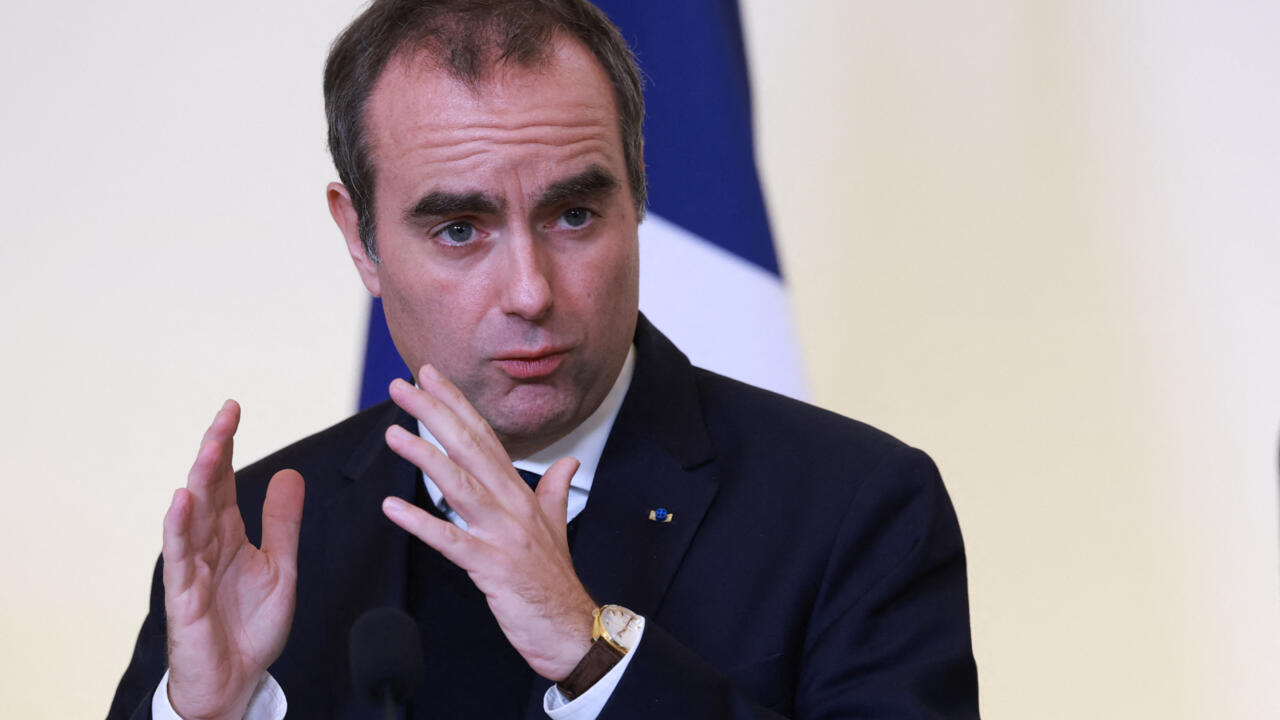
The decision changes the timing of a nationwide wage measure rather than its announced size. Reports linked the move to weeks of protests and unrest over the cost of living and declining purchasing power, placing the minimum wage at the center of the government's response.
France 24 reported that Lecornu held talks with trade unions and business leaders in connection with the cost-of-living crisis before announcing the acceleration. The supplied reporting does not identify the specific unions or business organizations involved.
Tagesschau reported that the increase would amount to an additional €24 net per month. Trade unions have nevertheless described the measure as insufficient, and France 24 and Handelsblatt reported that they called for further protests.
The measure also carries a broader political dimension in the reporting. Renaud Foucart, cited by France 24, characterized the protests as reflecting disillusionment with politics and institutions as well as concerns about purchasing power. That interpretation goes beyond the immediate wage announcement and frames the unrest as a wider challenge for the government.
For now, the government has responded by moving the wage increase into December, while unions' rejection of the measure suggests that the decision may not settle the protests. The reports establish the change in timing and the planned 1.6% rise, but leave the outcome of the wider unrest unresolved.