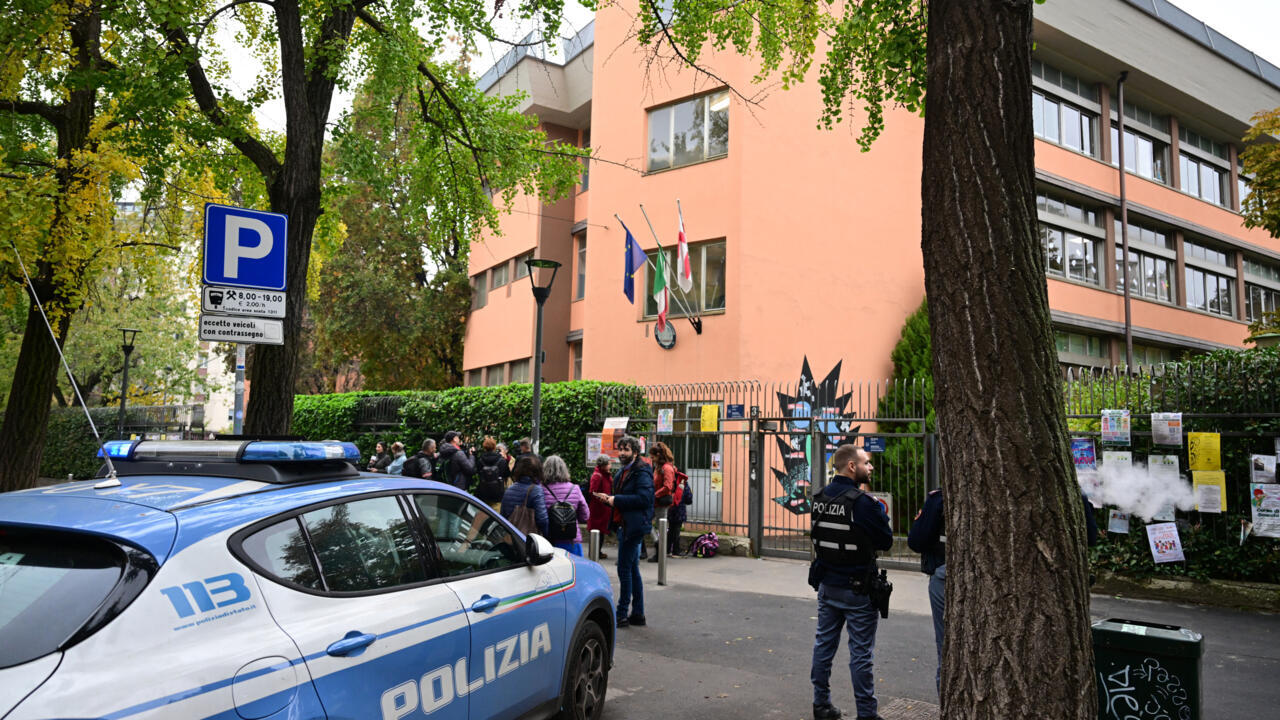
The warnings were sent to schools and headmasters by email and prompted evacuations in multiple parts of the country. BBC World reported alerts in Rome, Naples, Vicenza, Florence, Pisa and Trieste, among other Italian cities. The confirmed evacuation figure is at least 300 schools, while reports used a separate and broader measure for the number of institutions that received messages.
Italian officials treated the warnings as apparent hoaxes. Prime Minister Giorgia Meloni said the checks carried out at the time had found no element indicating a concrete danger and said the messages appeared intended to generate alarm and concern. She also called a government meeting on the incident.
The emails reportedly included a threat claiming that an explosive had been placed in Meloni’s car. That detail was reported alongside warnings sent to schools, but the available evidence does not establish that the threat was genuine or that the messages came from an identified perpetrator.
Some reporting said that more than 6,000 Italian schools or approximately 6,300 institutions received bomb-threat emails. That figure should not be treated as an evacuation total: the supplied reports do not establish that all of those institutions were evacuated.
Similar emailed threats were reported at schools in Ireland, Scotland and Northern Ireland, while comparable threats against media outlets were also reported in Bulgaria. The reports differ over whether alerts outside Italy led to evacuations. European officials and news reports raised broader concerns about possible hybrid or disruptive threats, but the available material does not establish that the incidents were coordinated. The identity of the sender and the origin of the emails also remain unconfirmed in the supplied reporting.