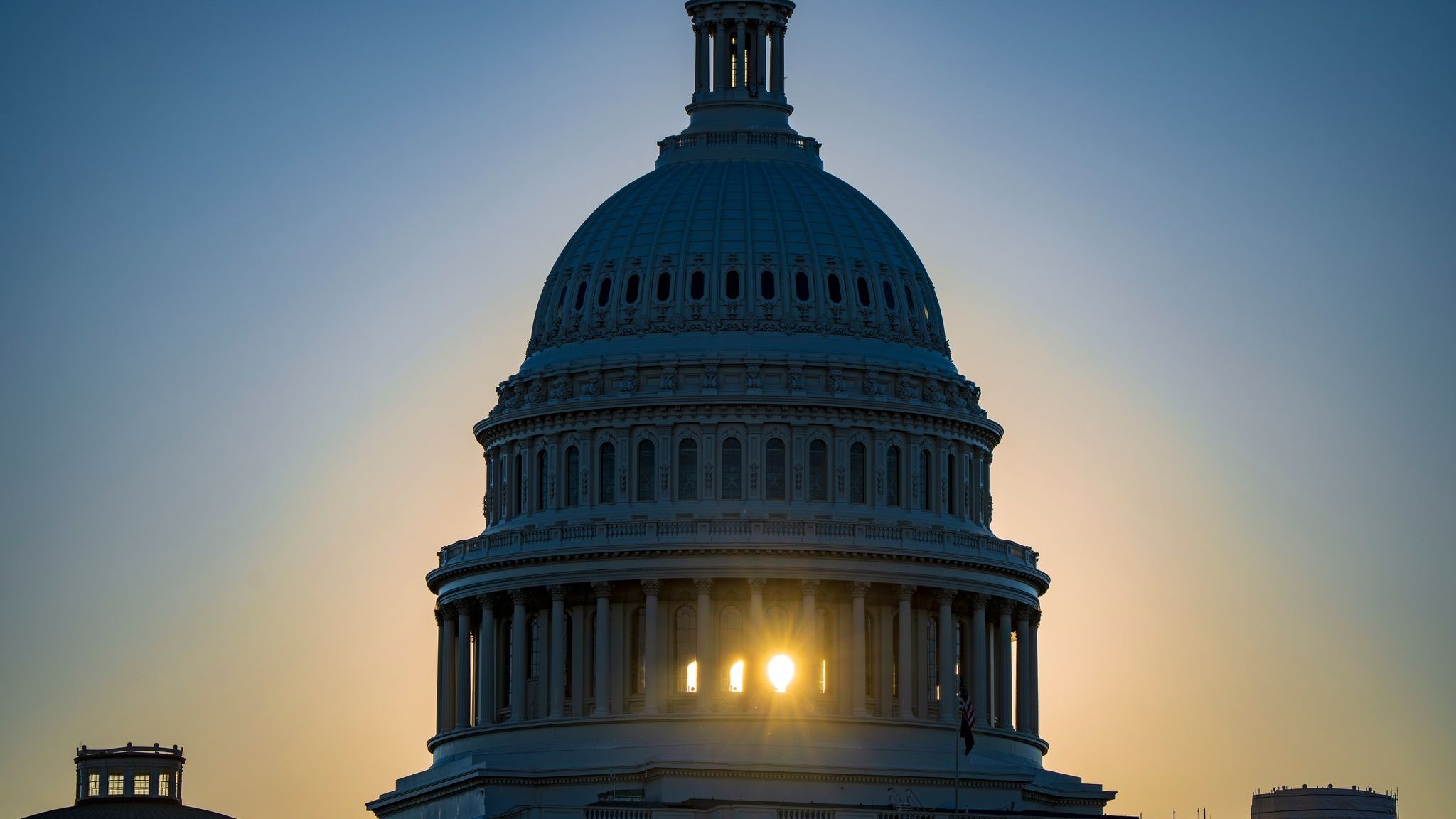
The contest extends beyond the two chambers on Capitol Hill. All 435 seats in the House of Representatives and 35 seats in the Senate are being contested, while voters will also choose governors and other state and local officials. The result will establish which party controls Congress for the next two years, making the elections both a national test and a series of state-level contests.
The starting point is a closely divided political map. Republicans currently hold narrow majorities in the House and Senate. Democrats need a net gain of four seats in each chamber to control both, so the outcome could turn on a relatively small number of closely fought races rather than on a single nationwide vote.
That arithmetic gives the election consequences beyond the question of which party holds the gavel. Control of either chamber may affect the president’s ability to move legislation and pursue domestic policy, while also shaping the relationship between Congress and the administration. A change in congressional control could therefore make that relationship more difficult for Trump, whereas retaining the current majorities would leave him with a clearer path to advance his agenda.
The issues described in the reporting span household finances and national policy. Inflation, the cost of living and the broader economy are among the concerns influencing voters, alongside immigration and foreign policy. Perceptions of Trump’s administration and its performance are also expected to shape the vote, making the elections an assessment of both immediate policy concerns and the president’s political standing.
The congressional contest is only one layer of the election night picture. Governors and other state and local offices will be decided at the same time, producing results across different jurisdictions and at different speeds. Polling stations close at different times, and close races may take longer to resolve while outstanding ballots are counted and results are verified.
The midterms will not decide who occupies the White House: Donald Trump will remain president regardless of the result. Their significance lies instead in how the congressional balance may affect his capacity to advance legislation and domestic policy during the next two years. The supplied material establishes the stakes and the possible routes to a change in power, but it does not provide an election result or an official final outcome.