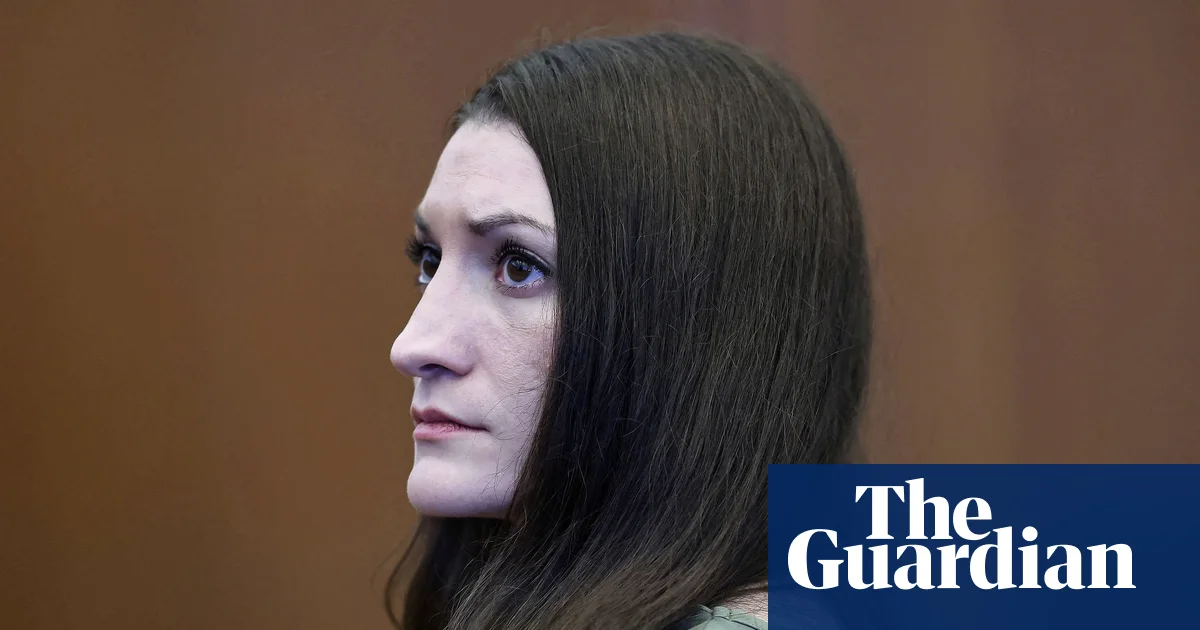
The hearing centered on whether prosecutors can pursue another trial. Clancy’s defense argued that retrying her would violate constitutional protections against double jeopardy. The motion followed a trial in which the jury could not reach a verdict, producing a mistrial.
The defense also challenged how the court responded during deliberations. Lawyers argued that the judge should have investigated further after the jury foreperson sent two notes indicating that a juror was not following the rules. In their view, additional questioning might have established grounds to remove the alleged holdout, identified as Michael Desronvil, and allow deliberations to continue.
The record described by the reports shows that Judge William Sullivan spoke with each juror after receiving the notes, reminded them of their duties and explained the meaning of reasonable doubt. He also asked whether they could apply the law, and the jurors answered yes. The defense maintained that those steps did not go far enough and that the foreperson should have been questioned separately about what was occurring in the jury room.
Prosecutor Jennifer Sprague defended Sullivan’s approach, arguing that the court had to avoid intruding on the substance of deliberations. Prosecutors’ position was that the holdout juror had not refused to deliberate but had refused to agree with the other jurors after reaching a different assessment of the evidence. That distinction formed a central part of the argument against treating the deadlock as a basis for dismissing the charges.
A separate allegation about the juror came from defense lawyer Kevin Reddington, who accused him of using a mobile phone to research case-related terms and questioned whether he had been truthful during jury selection. The allegation was presented as a defense claim, not as an established finding of misconduct. The defense’s broader argument was that further inquiry could have allowed the juror to be removed and prevented the mistrial.
The case also remains divided over Clancy’s mental state. Her defense has argued that she experienced postpartum psychosis and could not control her behavior. Prosecutors have acknowledged mental-health problems but argued that she acted deliberately and understood that her actions were wrong.
Sullivan did not immediately rule on the dismissal motion. He scheduled another hearing for November 16, when the case could be revisited and a retrial date potentially considered. Al Jazeera reported that a retrial could begin in March, but the outcome of the dismissal motion and any final retrial timetable were not established in the reports.
SOURCES
- Al JazeeraLindsay Clancy in court to drop child murder charges after mistrial
- The GuardianLindsay Clancy back in court seeking to dismiss murder charges after mistrial
- ClarínLindsay Clancy busca que retiren los cargos por el asesinato de sus tres hijos en Massachusetts tras el juicio anulado
- South China Morning PostLindsay Clancy back in court in bid to dismiss charges she killed her 3 young children